Shandong Fengtu IOT Technology Co., Ltd
Sales Manager:Ms. Emily Wang
Cel,Whatsapp,Wechat:+86 15898932201
Email:info@fengtutec.com
Add:No. 155 Optoelectronic Industry Accelerator, Gaoxin District, Weifang, Shandong, China


Sales Manager:Ms. Emily Wang
Cel,Whatsapp,Wechat:+86 15898932201
Email:info@fengtutec.com
Add:No. 155 Optoelectronic Industry Accelerator, Gaoxin District, Weifang, Shandong, China
time:2026-04-02 09:21:39 source:Weather Station viewed:252 time
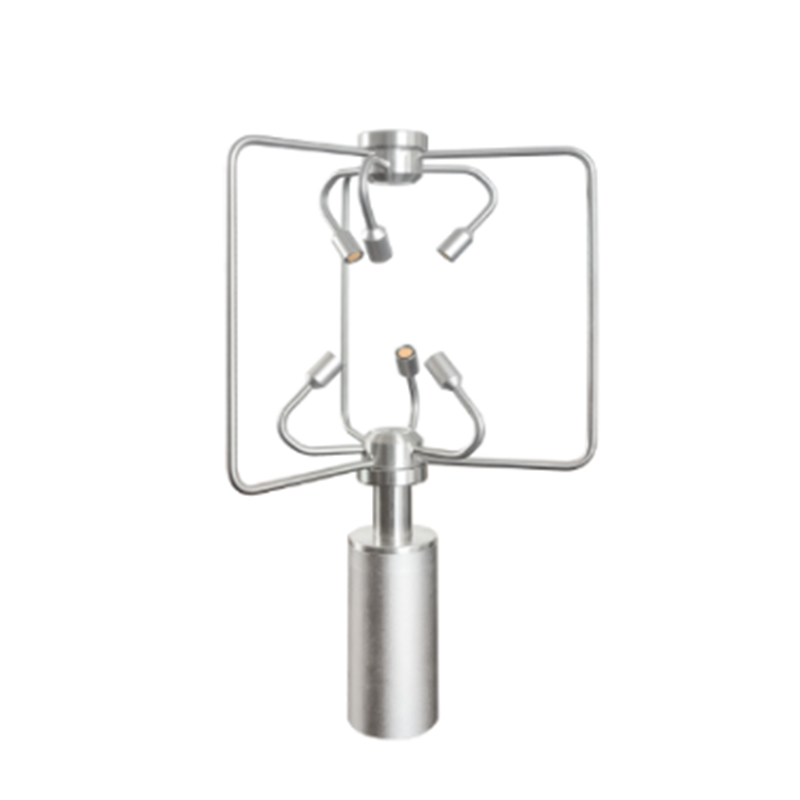
3D Anemometer utilizes ultrasonic technology to measure gas flow velocity, offering a wind speed measurement range of 0–70 m/s with an accuracy of ±3%. Its wind direction range spans 0–360° with an accuracy of ±2°. Constructed from stainless steel, the device is ideally suited for deployment in harsh environmental settings—including those involved in meteorological monitoring, environmental surveillance, and agricultural meteorology.
3D Anemometer is a high-precision meteorological sensor that employs ultrasonic technology to measure gas flow velocity. Unlike traditional mechanical wind cups or wind vanes, this device calculates wind speed and direction by emitting ultrasonic pulses and measuring the time difference of their propagation through the air. This measurement method eliminates the inertial errors associated with mechanical rotating parts, thereby enabling the device to maintain high response speeds and data stability, even under low-wind or turbulent conditions.
In terms of technical specifications, the 3D Anemometer features a wind speed measurement range of 0 to 70 meters per second, achieving a measurement accuracy of ±3% with a resolution precise to 0.1 meters per second. Its wind direction measurement range covers 0 to 360 degrees, with an accuracy of ±2 degrees and a resolution of 0.1 degrees. These specifications enable the device to meet the diverse application requirements of various fields, ranging from meteorological observation to environmental assessment. In scenarios requiring the precise measurement of three-dimensional wind field data, the device provides accurate wind vector information.
The structural design of the device has been carefully engineered to fully account for the complexities inherent in outdoor applications. Constructed entirely from stainless steel, it exhibits robust resistance to corrosion and aging. The stainless steel material ensures the device remains fully functional in demanding measurement environments—including coastal regions subject to salt spray corrosion, industrial zones with high concentrations of pollutants, and high-altitude areas characterized by low-temperature conditions. Furthermore, as the device contains no internal moving parts, it retains its initial measurement accuracy even after prolonged operation, resulting in low maintenance costs.
In terms of practical application, the 3D Anemometer has been widely deployed across various sectors, including meteorological monitoring, environmental surveillance, and agricultural meteorology. In meteorological monitoring, the device is utilized to observe boundary-layer wind field structures and atmospheric turbulence characteristics. In the field of environmental monitoring, it is integrated with air quality monitoring stations to facilitate the analysis of pollutant dispersion pathways and concentration distributions. In the field of agricultural meteorology, 3D Anemometer can provide wind field data support for the calculation of farmland evapotranspiration and the assessment of crop growth environments.
sensors on roads collect road traffic information, monitor road conditions, weather conditions, ice, snow and water on the road surface, and improve road safety....
GNSS sensor is a device used to receive and process global navigation satellite system signals. This device enables precise positioning and is widely used in geological disaster monitoring, building safety assessment, and transportation management, playing a crucial role in fields such as aviation and surveying....
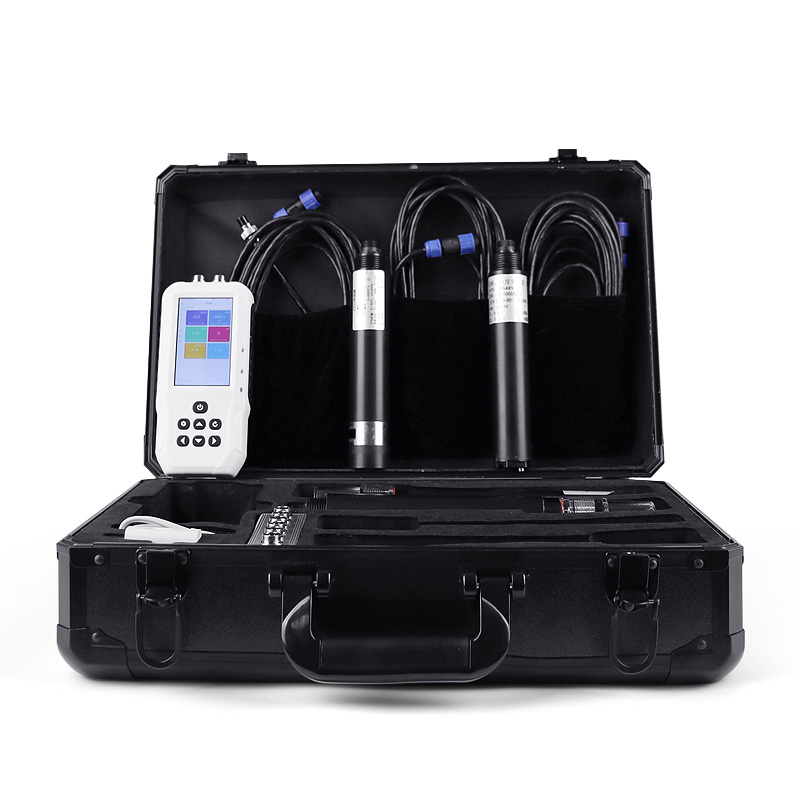
The water regime monitoring system is applied to the water conservancy management department to remotely monitor the water level and rainfall of the reservoir and collect real-time data, and provide accurate, timely and automatic on-site monitoring information to ensure the safe operation and manage...
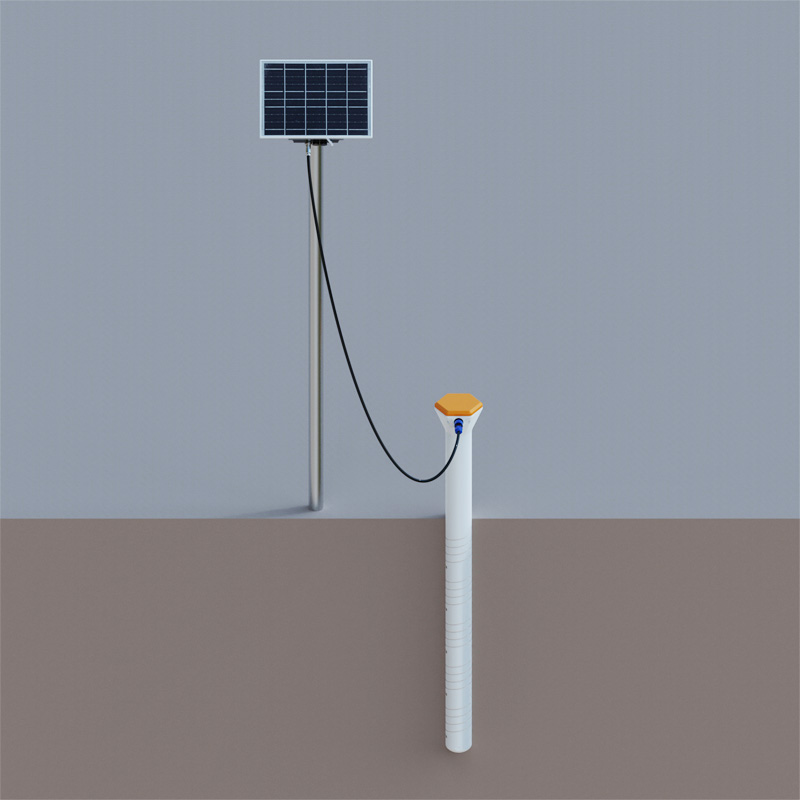
Soil is key to plant growth, and its health directly affects the ability of plants to thrive. Due to natural and man-made factors, soil quality may deteriorate, affecting the environment in which plants can grow. Therefore, it is necessary to monitor soil indicators such as temperature, moisture and...


 Skype
Skype
 whatsapp
 mail
mail