Shandong Fengtu IOT Technology Co., Ltd
Sales Manager:Ms. Emily Wang
Cel,Whatsapp,Wechat:+86 15898932201
Email:info@fengtutec.com
Add:No. 155 Optoelectronic Industry Accelerator, Gaoxin District, Weifang, Shandong, China


Sales Manager:Ms. Emily Wang
Cel,Whatsapp,Wechat:+86 15898932201
Email:info@fengtutec.com
Add:No. 155 Optoelectronic Industry Accelerator, Gaoxin District, Weifang, Shandong, China
time:2025-06-27 09:16:20 source:Weather Station viewed:570 time
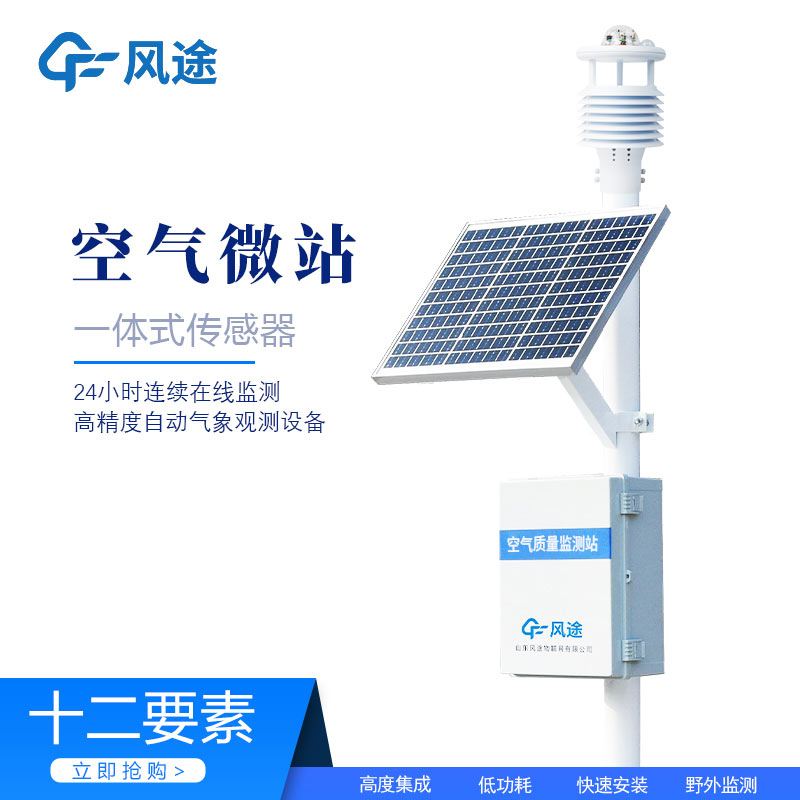
The traditional monitoring stations are sparsely distributed, making it difficult to comprehensively detect the traces of pollutants. In contrast, the Air Quality Micro-station introduces the concept of grid-based deployment, dividing the monitoring area into fine grids. Each grid is equipped with monitoring equipment to achieve all-round monitoring of the atmospheric environment. For example, in large cities, the urban edges and old blocks that were previously ignored can also have their pollution conditions accurately mastered after grid-based deployment.
The monitoring stations are equipped with sensors that can real-time and accurately monitor various pollutants such as sulfur dioxide and nitrogen dioxide. Electrochemical sensors use the principle of chemical reactions to quantitatively detect gaseous pollutants, while optical sensors measure the concentration of particulate matter based on the properties of light. After the monitoring data is converted into electrical signals, it is processed by an intelligent analysis system to generate pollution status reports, which are transmitted to the data center in real time through 4G or 3G technology.
It can reflect the pollution status of different regions and periods in real time, helping relevant departments take timely response measures. For instance, adjusting the duration of traffic lights according to monitoring data to reduce vehicle idling pollution. The equipment features low cost, small size, convenient installation, and strong environmental adaptability, facilitating large-scale deployment.
In urban environmental monitoring, it helps environmental protection departments locate pollution hotspots and track diffusion paths; in industrial parks, it closely monitors enterprise emissions to urge enterprises to implement environmental protection responsibilities; at transportation hubs, it monitors motor vehicle exhaust to provide references for traffic management; and in tourist attractions, it can provide healthy travel information for tourists.
The Air Quality Micro-station promotes the refined and scientific development of air pollution prevention and control. When massive monitoring data is deeply integrated with the construction of smart cities, it will gradually build a closed-loop ecosystem of "monitoring - early warning - governance - feedback".
Agricultural sensors are a very critical technology in smart agriculture. This technology was patented and researched from 1917 until 2006, when 47 related patents were filed globally.After 2006, with the rapid development of information agriculture, there was a significant advancement in agricultur...
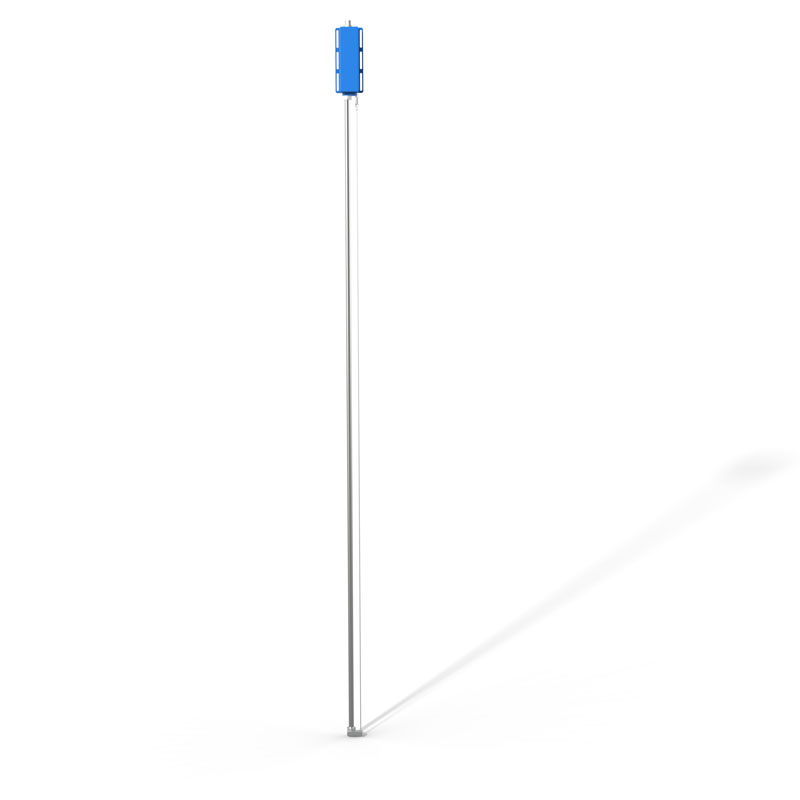
Windway Technology is a manufacturer of river flow monitoring systems and has rich practical experience in this field. Currently, we are mainly engaged in the design, development and sales of river flow monitoring systems, and are committed to providing professional solutions to our customers, and a...
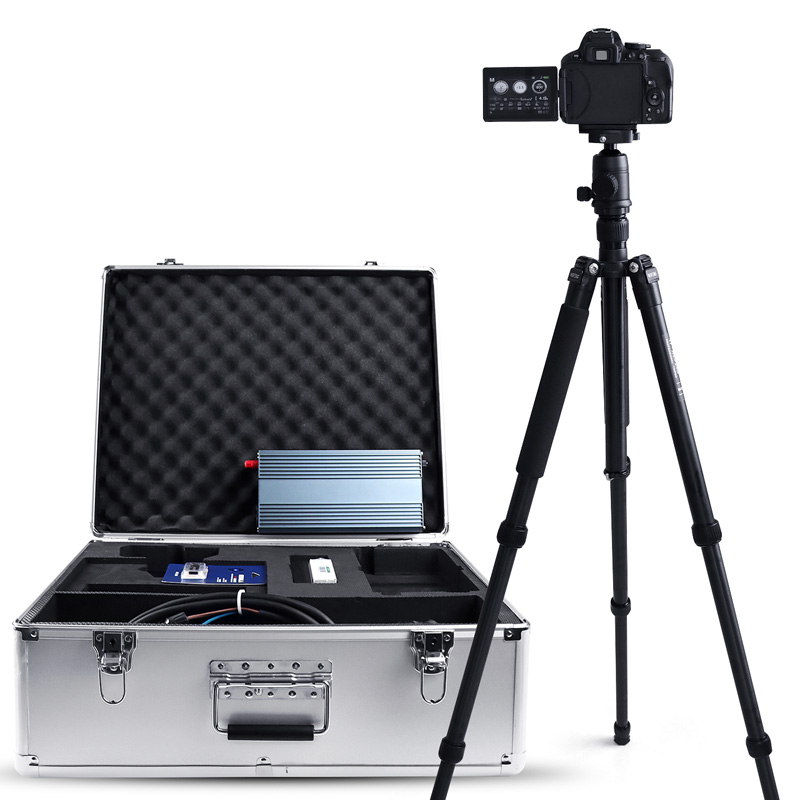
A portable visibility sensor is a device capable of measuring the brightness of the surrounding environment and the visibility of the atmosphere. It usually uses laser or infrared technology to provide visibility data quickly and accurately by measuring parameters such as light scattering and reflec...
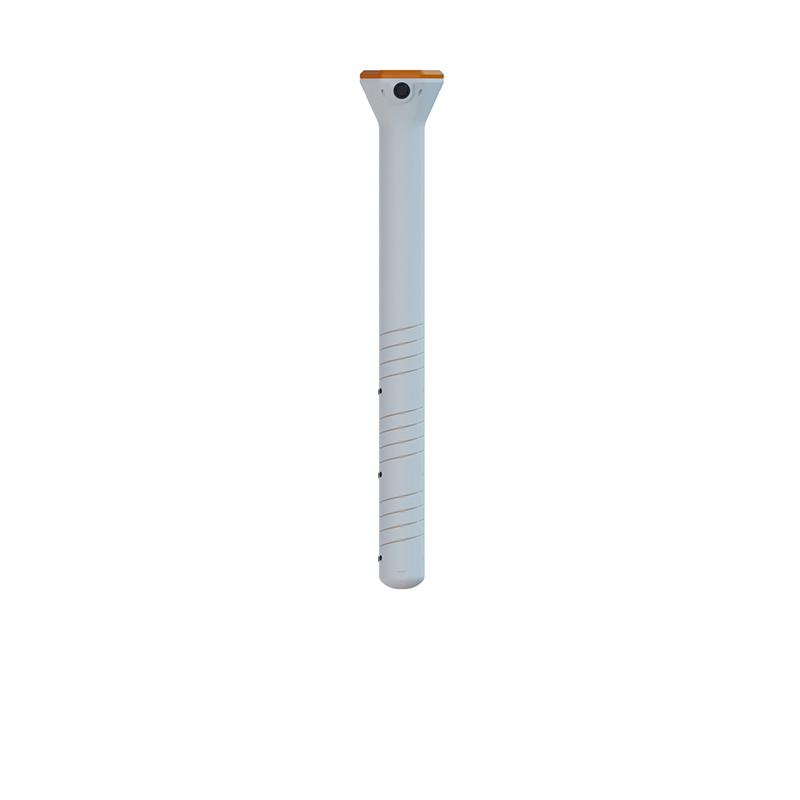
ultrasonic sensor in general An active device that emits ultrasonic waves into and receives ultrasonic waves from the environment and can measure distances and detect the presence of objects....


 Skype
Skype
 whatsapp
 mail
mail