Shandong Fengtu IOT Technology Co., Ltd
Sales Manager:Ms. Emily Wang
Cel,Whatsapp,Wechat:+86 15898932201
Email:info@fengtutec.com
Add:No. 155 Optoelectronic Industry Accelerator, Gaoxin District, Weifang, Shandong, China


Sales Manager:Ms. Emily Wang
Cel,Whatsapp,Wechat:+86 15898932201
Email:info@fengtutec.com
Add:No. 155 Optoelectronic Industry Accelerator, Gaoxin District, Weifang, Shandong, China
time:2025-06-26 09:32:21 source:Weather Station viewed:604 time
In the soil and water loss monitoring of runoff fields and small watersheds, traditional manual measurement of flow and sediment data suffers from huge workload, low efficiency, high labor costs, and large data errors. After years of technological research and a large number of field tests, the Soil Erosion Monitoring System has successfully reformed the traditional manual monitoring model, becoming an important technical tool for intelligent soil and water conservation work.
I. Product Introduction
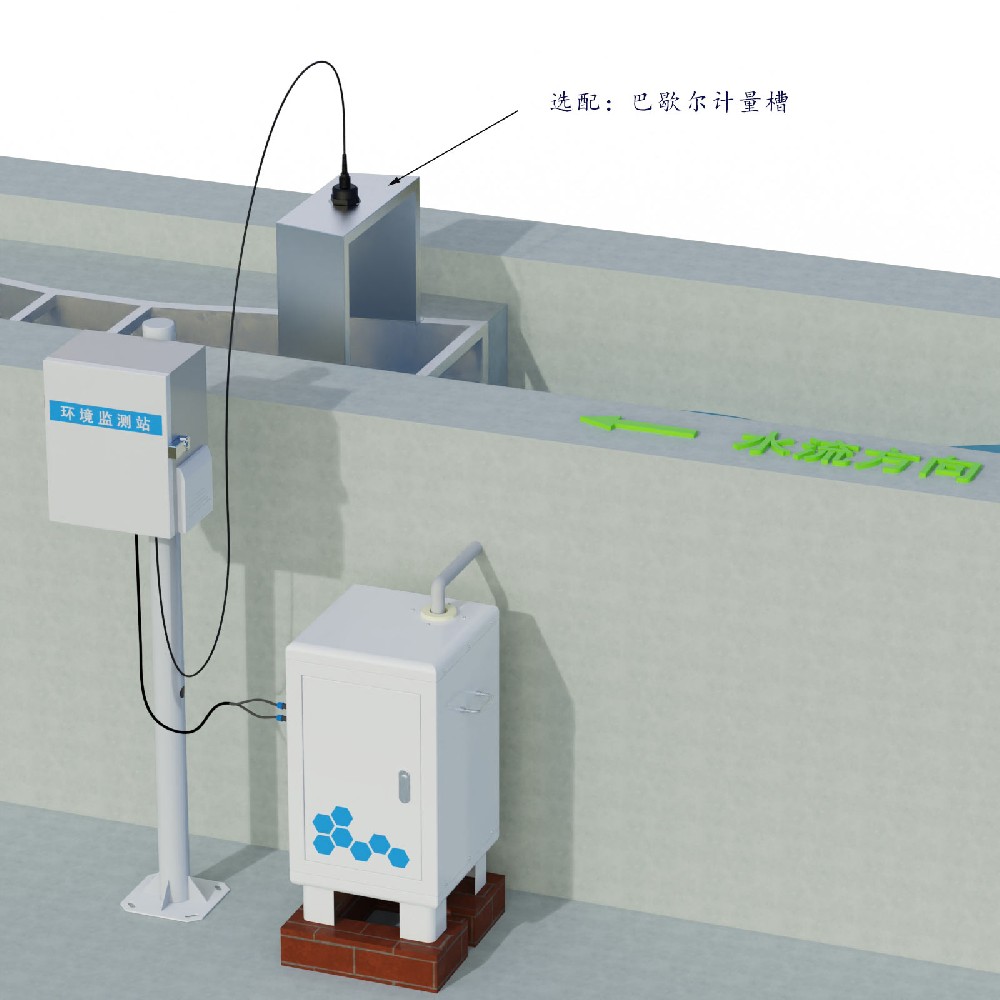
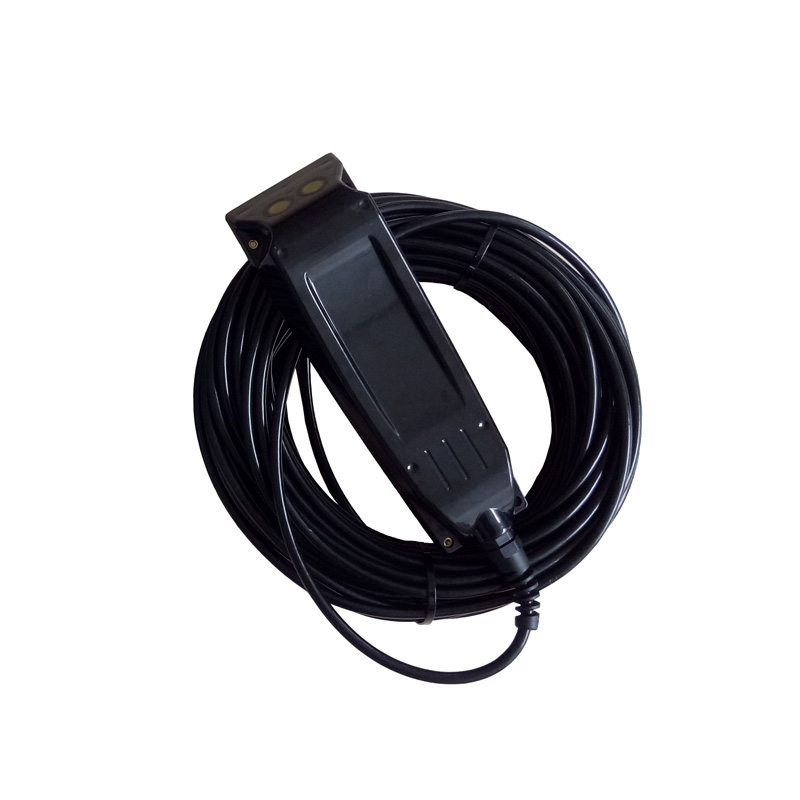
The system consists of a data acquisition main control unit, a sediment concentration measurement sensor, and an open channel flow sensor. The open channel flow sensor module can automatically measure runoff flow and accurately calculate the total runoff and instantaneous runoff data for different time periods through the controller; the sediment concentration measurement sensor collects real-time sediment concentration data of runoff at the sediment measurement ports vertically distributed in the runoff according to the characteristics of runoff changes.
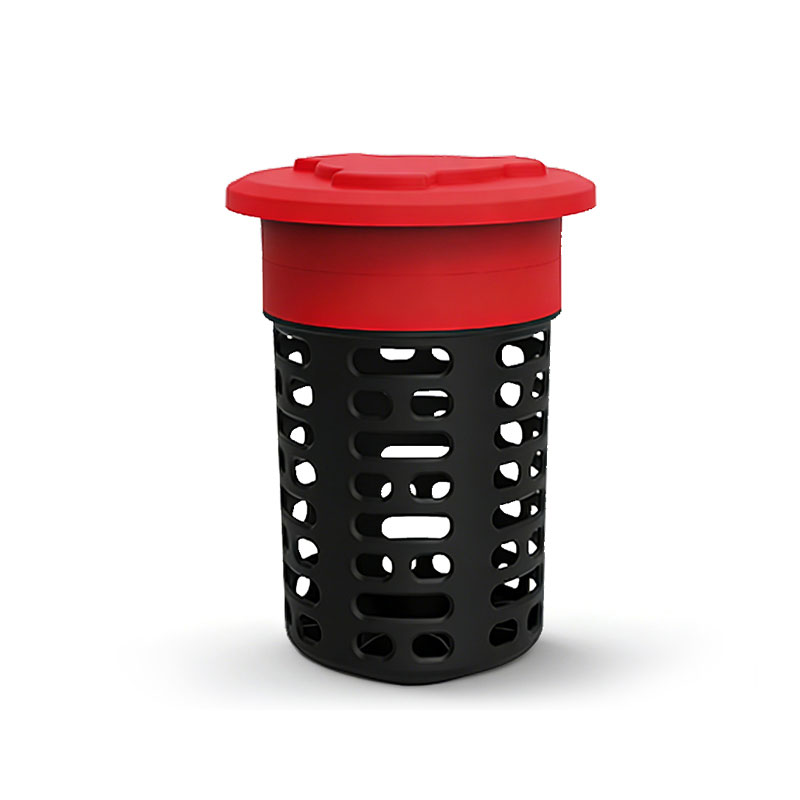
The system uploads the sediment concentration and runoff data collected by each sensor to the cloud platform in real time, facilitating users to retrieve, analyze, and manage data anytime and anywhere, providing scientific and accurate data support for soil and water conservation decisions. The sediment concentration sensor has a rigorous workflow: surface water enters the open channel or Parshall flume through the diversion channel, and the instantaneous runoff data is obtained by the open channel flowmeter to calculate the total runoff within a unit time; the water divider collects surface water and sends it to the main water tank. When the volume of surface water to be tested in the main water tank is sufficient, the system starts and sends the surface water to be tested to the sample chamber for detection; the sensor sends the collected data to the processor for processing to obtain the sediment concentration. After the detection is completed, the sensor discharges the internal sample through the drain pipe to prepare for the next sampling; finally, the processor outputs to external equipment through 485.
II. Product Features
High Degree of Automation: Unmanned 24/7 operation, automatically measuring runoff, sediment concentration, and total runoff.
Stable Power Supply: Whole-process mains power supply to automatically complete data measurement.
Convenient Data Management: Online real-time monitoring via computer software, displaying dynamic processes and curves of each measurement parameter, and supporting historical data download.
Flexible Settings: Free to set sampling frequency and calibrate the clock on the data management main control unit on site.
Reliable Performance: Independently developed sensors with high precision, strong stability, and strong anti-environmental interference capability.
Ultrasonic wind speed and direction sensor is a new type of meteorological sensor. It uses ultrasonic technology to measure wind speed and direction, and has the following advantages over traditional mechanical wind speed and direction meters:Higher accuracy: Ultrasonic wind speed and direction sens...
Ultrasonic wind speed sensor is an instrument for measuring wind speed, which uses the propagation and reflection of ultrasonic waves to measure the speed of wind. This sensor is widely used in wind energy, meteorology, air flow measurement, and other scientific experiments. In the following article...
Ultrasonic Wind Speed And Direction Sensor is a wind speed and direction measuring instrument developed based on the principle of ultrasound. It utilizes the time difference in ultrasonic wave propagation to measure wind speed and direction....
GNSS receiver price varies significantly depending on the model and features. The high-precision choke coil antenna version costs approximately 6900 yuan. The device fully supports the Beidou satellite navigation system, integrates differential RTK technology, boasts millimeter-level positioning accuracy, and an IP68 protection rating, making it suitable for surveying, disaster prevention, and transportation applications....


 Skype
Skype
 whatsapp
 mail
mail