Shandong Fengtu IOT Technology Co., Ltd
Sales Manager:Ms. Emily Wang
Cel,Whatsapp,Wechat:+86 15898932201
Email:info@fengtutec.com
Add:No. 155 Optoelectronic Industry Accelerator, Gaoxin District, Weifang, Shandong, China


Sales Manager:Ms. Emily Wang
Cel,Whatsapp,Wechat:+86 15898932201
Email:info@fengtutec.com
Add:No. 155 Optoelectronic Industry Accelerator, Gaoxin District, Weifang, Shandong, China
time:2025-05-15 09:38:19 source:Weather Station viewed:723 time
In the scorching summer, swimming pools become a popular choice for people to cool off and enjoy recreational activities. However, the quality of pool water is directly linked to swimmers' health and experience. Bacteria and viruses in poor-quality water can cause skin infections, gastrointestinal diseases, and other issues, while excessive chemical substances may irritate the skin and respiratory system. Therefore, ensuring that pool water quality meets standards is essential.
Traditional pool water quality monitoring primarily relies on manual periodic testing, using methods such as chemical analysis and rapid colorimetry to detect indicators like total bacterial count, coliform bacteria, urea, residual chlorine concentration, turbidity, and pH value. However, manual testing has limitations as it cannot provide real-time insights into water quality changes.
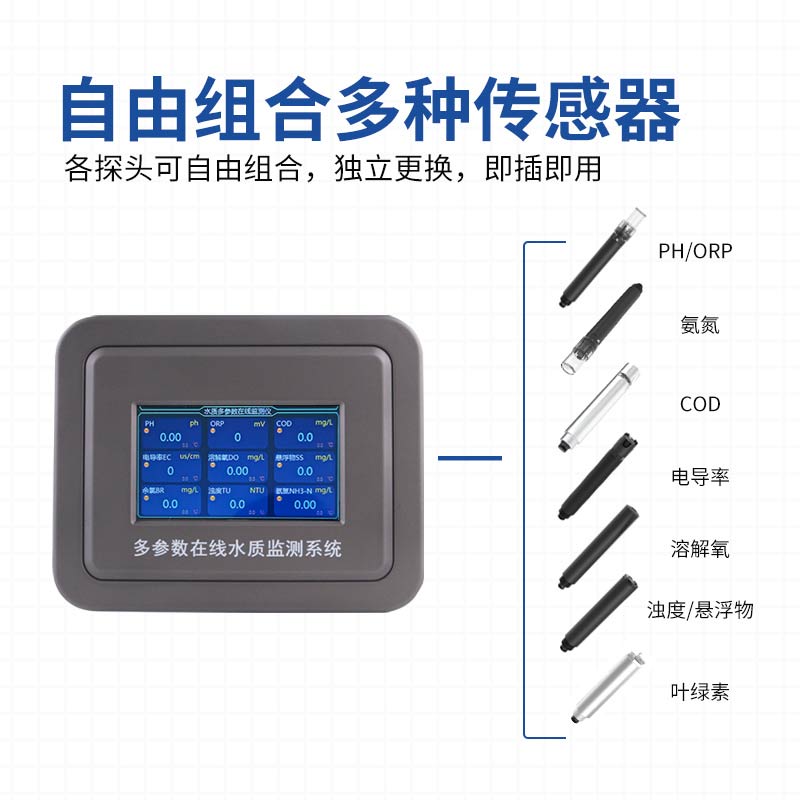
The advent of Online Water Quality Analyzers has addressed this shortfall. Take Fengtu's FT-YC06 as an example: it enables real-time online monitoring of critical parameters such as water temperature, pH, residual chlorine, turbidity, dissolved oxygen, and ORP (oxidation-reduction potential). Equipped with integrated sensors and measurement modules, it quickly and accurately records water quality data and supports expandable multi-parameter sensors to meet diverse requirements. The device also stores historical monitoring data and alarm records, which can be exported in .xlsx format for convenient analysis and management.
Key Monitoring Indicators of FT-YC06
Water Temperature
A suitable water temperature (typically maintained at 26°C–28°C) ensures swimmers' comfort and optimizes physical performance.
pH Value
This indicator reflects the water's acidity or alkalinity. The pH of pool water should be maintained within the neutral to slightly alkaline range of 6.5–8.5 to prevent skin irritation and equipment corrosion.
Residual Chlorine
Used for disinfection, the free residual chlorine level in pools should be ≤0.3 mg/L. Insufficient levels fail to effectively kill bacteria, while excessive levels can irritate the human body.
Turbidity
Turbidity indicates the concentration of suspended particles in water. High turbidity reduces visibility, increases the risk of collisions among swimmers, and provides a habitat for bacteria.
Dissolved Oxygen
Sufficient dissolved oxygen inhibits the growth of anaerobic microorganisms, safeguards water quality, and maintains the ecological balance of the water body.
ORP (Oxidation-Reduction Potential)
This parameter measures the water's oxidation-reduction capacity, reflects the bactericidal effectiveness of disinfectants, and aids in adjusting disinfection dosage.
Features of Online Water Quality Analyzers
Real-Time Monitoring and Automation: Continuously monitors water quality and automatically controls dosing pumps to add chemicals when standards are not met, stopping the process once the water quality meets standards. This reduces labor costs and ensures precise water quality control.
Remote Monitoring via Wireless Data Transmission: Allows remote monitoring of data through computers or mobile phones from any location. Provides real-time alarms when indicators exceed safe limits.
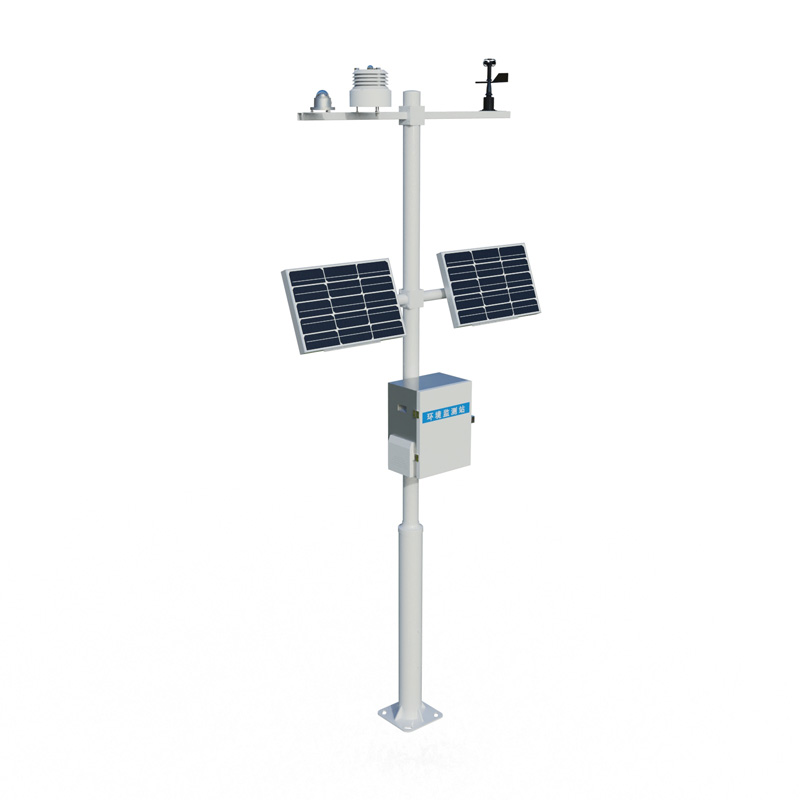
From ancient times to the present, agriculture has always been based on agriculture. "Food is the most important thing for the people" shows the importance of agriculture. The damage caused by meteorological disasters that we have been suffering from is also very serious. In order to ensur...
China is a large agricultural country, and agriculture occupies an important position in the national economy. In order to guarantee the continuous supply and quality and safety of agricultural products, we need to use agricultural high technology to promote the modernisation of agriculture. Precisi...
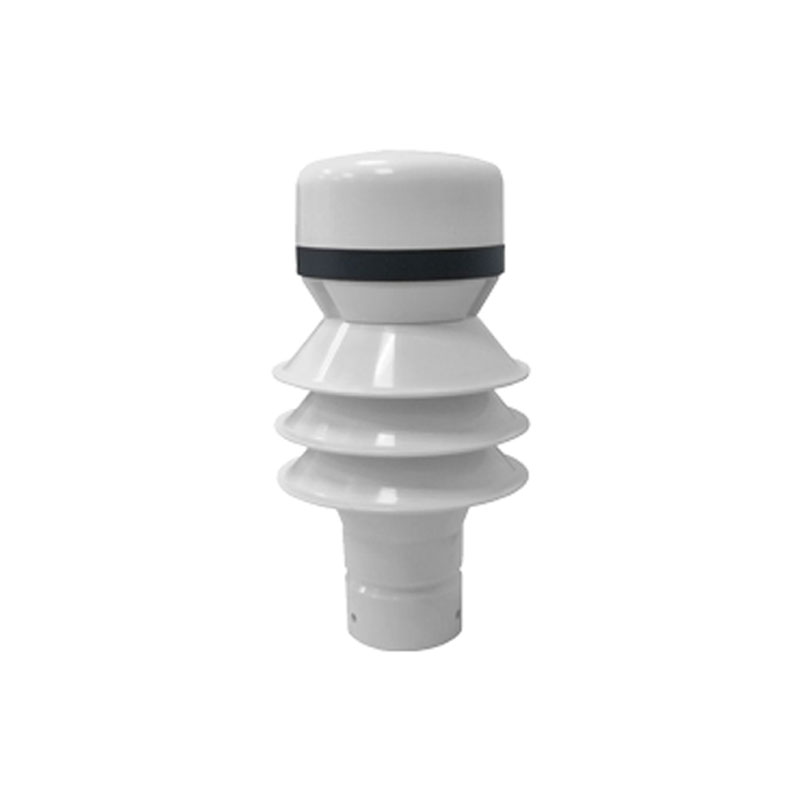
Ultrasonic explosion-proof weather station is one of the main products of Windway Technology, model FT-FB02, which is manufactured for such special places as chemical plants and oil depots. It is an integrated weather station, integrating data collection, storage and communication upload, based on t...
pond level sensor is used to monitor the water level of ponds, cisterns, sewage tanks, water tanks and sinks, providing reliable liquid level data....


 Skype
Skype
 whatsapp
 mail
mail