Shandong Fengtu IOT Technology Co., Ltd
Sales Manager:Ms. Emily Wang
Cel,Whatsapp,Wechat:+86 15898932201
Email:info@fengtutec.com
Add:No. 155 Optoelectronic Industry Accelerator, Gaoxin District, Weifang, Shandong, China


Sales Manager:Ms. Emily Wang
Cel,Whatsapp,Wechat:+86 15898932201
Email:info@fengtutec.com
Add:No. 155 Optoelectronic Industry Accelerator, Gaoxin District, Weifang, Shandong, China
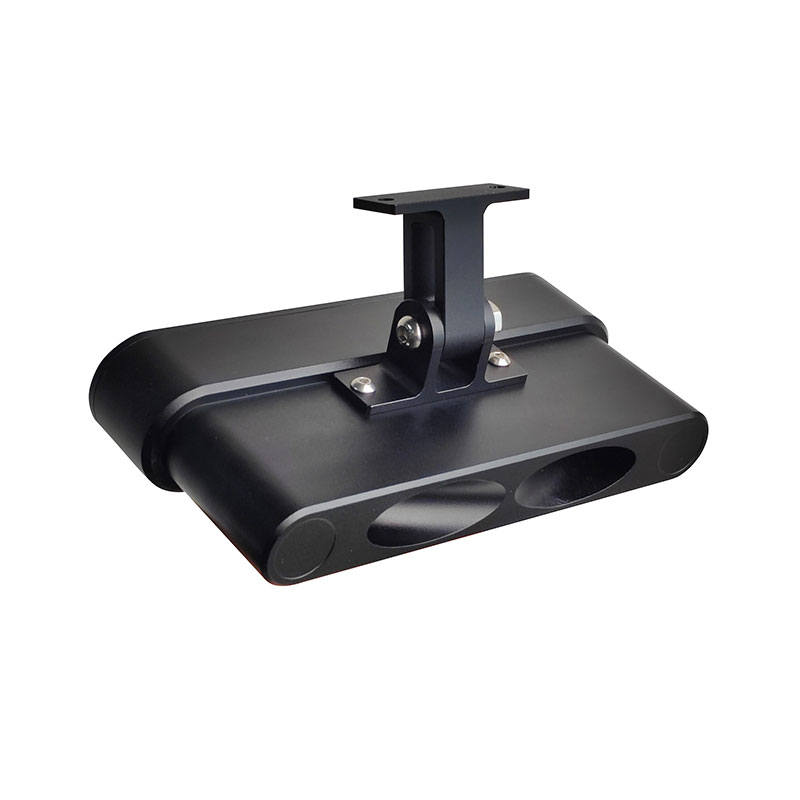
Model:FT-WJN10
Brand:fengtu
1、Forward Scatter Visibility Sensor Product Introduction
Forward Scatter Visibility Sensor calculates the atmospheric visibility value by detecting the forward scattering intensity of light sources in the atmospheric volume.Forward Scatter Visibility Sensor is designed for monitoring and collecting visibility and other meteorological data during flight of unmanned aerial vehicles (UAVs) or small unmanned inspection aircraft.
It features a compact design and uses the forward scattering method to detect atmospheric visibility, operating normally at altitudes of up to 4000 meters and temperatures as low as -20 degrees Celsius.
It has a flat, low-drag design and is mounted on the belly of the aircraft. Users can choose between ABS and aluminum alloy shell materials, and can also opt to install temperature, humidity, and barometric pressure sensors.
Forward Scatter Visibility Sensor consumes only 0.9 watts, making it ideal for small UAV platforms for low-altitude meteorological element inspection.
2、Forward Scatter Visibility Sensor Dimensions and Weight
Visibility Dimensions: 174mm*85mm*35mm
Weight (ABS material): 300g
Weight (Aluminum alloy material): 580g
3、Forward Scatter Visibility Sensor Main Technical Parameters
Detection Range: 10-10000 meters
Measurement Accuracy: ±10%
Light Source: IR LED
Data Update: 1 second
Digital Output: RS485
Optional Parameters: Temperature, Humidity, Air Pressure
Operating Temperature: -20–50°C
Operating Humidity: 0–95%
Power Supply: DC 12V
Power Consumption: 0.9W
Soil moisture weather stations are like doctors who conduct health checks on the soil. These doctors are equipped with various instruments that can tell us whether the soil is dry or wet, whether the temperature is high or low, whether there is enough nutrients in the soil, and what the pH level is,...
The Compact Multi-Parameter Automatic Weather Monitoring Station is a small-sized device that integrates numerous weather monitoring technologies. Favoured for its lightweight form factor and easy installation process, it allows for rapid deployment in diverse environments for continuous weather con...
A marine meteorological visibility meter is an instrument specifically designed to monitor visibility in the ocean. In general, a marine meteorological visibility meter measures the real-time visibility of the atmosphere and provides real-time monitoring, early warning and forecasting functions. Thr...
Throughout the entire process of photovoltaic (PV) modules from production to actual use, various links such as transportation, handling, and installation may cause damage to the modules. And this kind of damage may only become apparent after the modules are installed, which will lead to a lower pow...


 Get a Free Quote
 Skype
Skype
 whatsapp
 mail
mail