Shandong Fengtu IOT Technology Co., Ltd
Sales Manager:Ms. Emily Wang
Cel,Whatsapp,Wechat:+86 15898932201
Email:info@fengtutec.com
Add:No. 155 Optoelectronic Industry Accelerator, Gaoxin District, Weifang, Shandong, China


Sales Manager:Ms. Emily Wang
Cel,Whatsapp,Wechat:+86 15898932201
Email:info@fengtutec.com
Add:No. 155 Optoelectronic Industry Accelerator, Gaoxin District, Weifang, Shandong, China
time:2025-12-11 09:58:20 source:Weather Station viewed:471 time
Atmospheric environment monitoring system is a technological platform for real-time online monitoring of regional air quality. It provides continuous 24-hour automatic monitoring of multiple parameters, including PM2.5, PM10, CO, NO2, SO2, O3, wind speed, and temperature.
Atmospheric environment monitoring system is a comprehensive technological platform primarily used for real-time, online, and continuous automatic monitoring and analysis of regional air quality. By synchronously collecting concentrations of various pollutants in the atmosphere and related meteorological parameters, the system provides scientific data for environmental management, pollution early warning, and air quality assessment.
The core function of the system is to achieve all-weather monitoring of key pollution factors in the atmospheric environment. It can continuously and automatically measure the concentrations of particulate matter (such as PM2.5 and PM10) and gaseous pollutants (including carbon monoxide CO, nitrogen dioxide NO2, sulfur dioxide SO2, and ozone O3). At the same time, the system integrates a meteorological monitoring module to synchronously observe meteorological elements such as wind speed, wind direction, temperature, humidity, air pressure, and optical rainfall. The combination of pollutant and meteorological data provides a basis for analyzing pollutant diffusion patterns and tracing pollution sources.
The system operates based on a network layout of distributed monitoring nodes. Each monitoring station is equipped with corresponding gas analyzers, particulate matter monitors, and meteorological sensors, automatically collecting data at a preset frequency (usually every few minutes). Data is transmitted in real time to the central data management platform via wired or wireless networks. The platform software aggregates, verifies, stores, and analyzes the data, and displays it visually in the form of charts and maps, enabling dynamic monitoring of regional air quality.
The main value of Atmospheric environment monitoring system lies in its real-time and continuous nature. Unlike traditional manual intermittent sampling and monitoring, this system can operate 24 hours a day, continuously capturing changes in air quality, and can promptly issue warnings for pollution events with rapidly increasing concentrations. This allows environmental management departments to more quickly and accurately understand the current status and trends of regional pollution.
The system has a wide range of applications. It is primarily deployed at urban environmental air quality assessment points, industrial park boundaries, areas around major transportation routes, and background areas, forming a monitoring network covering key areas. The data directly serves public air quality information dissemination, environmental air quality compliance assessment, emergency response decision-making for severe pollution weather, and the formulation and evaluation of atmospheric pollution control policies. Through long-term, continuous observation of multiple factors, this system provides crucial data support for scientific research and governance practices, becoming an important technical tool for improving and protecting environmental quality.
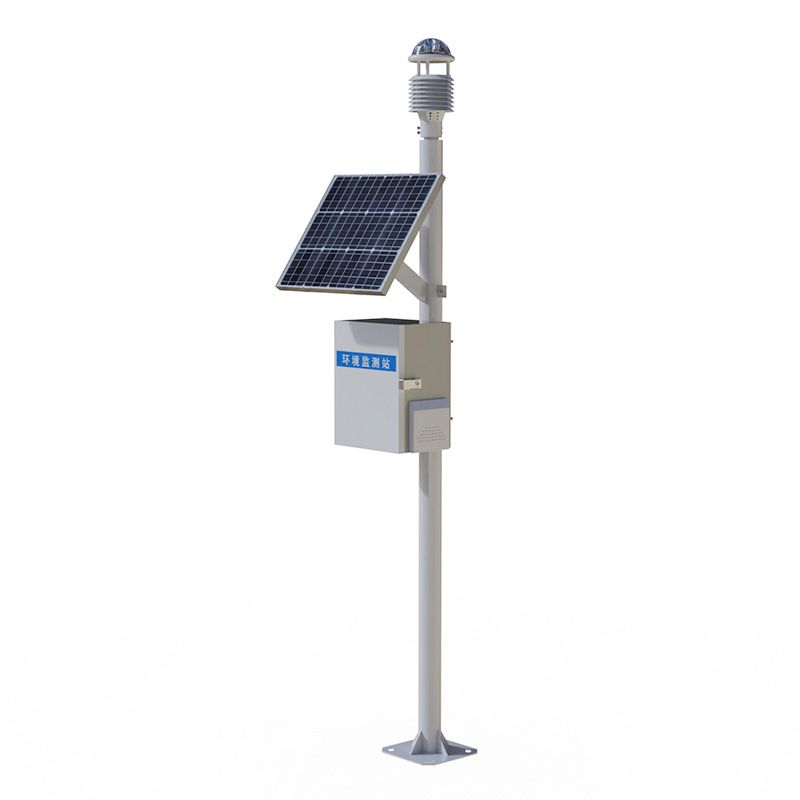
3D Ultrasonic Anemometer utilizes the ultrasonic phase difference principle to measure wind speed and direction. Using multiple pairs of ultrasonic probes, it simultaneously measures the wind speed components along the mutually perpendicular X, Y, and Z axes in three-dimensional space (i.e., t...
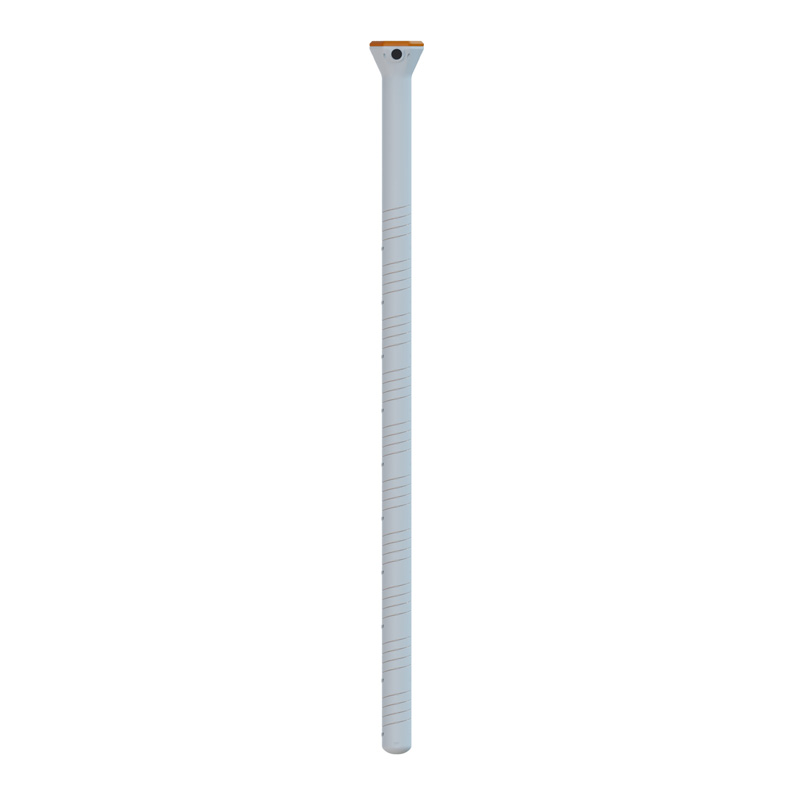
As a major agricultural country, establishing a soil moisture monitoring network is crucial for effective disaster prevention, drought resistance, and water-saving irrigation. By deploying soil moisture monitoring stations in key areas, real-time acquisition of key data such as soil moisture can sup...
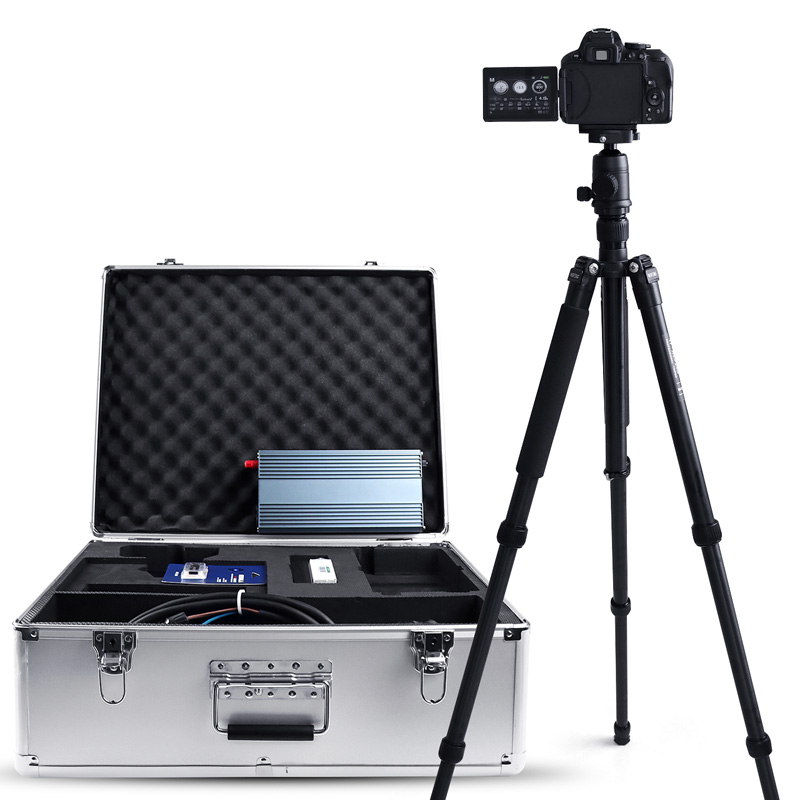
As an important part of the power system, the safe operation of the transmission line directly affects the social and economic development. Therefore, in the actual production, it is necessary to do a good job in the maintenance of the transmission line to ensure that the transmission line has good...
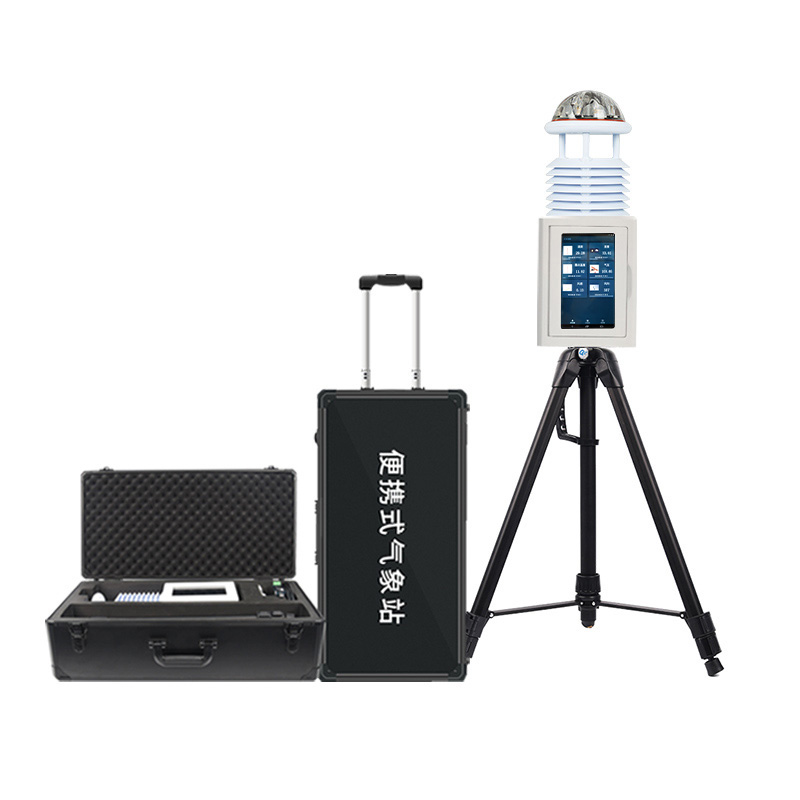
The quality of air directly affects people's lives and health. People can detect changes in air quality through their senses and take appropriate measures accordingly. Clean air helps to improve people's health and quality of life. Therefore, we should pay attention to the air quality proble...


 Skype
Skype
 whatsapp
 mail
mail