Shandong Fengtu IOT Technology Co., Ltd
Sales Manager:Ms. Emily Wang
Cel,Whatsapp,Wechat:+86 15898932201
Email:info@fengtutec.com
Add:No. 155 Optoelectronic Industry Accelerator, Gaoxin District, Weifang, Shandong, China


Sales Manager:Ms. Emily Wang
Cel,Whatsapp,Wechat:+86 15898932201
Email:info@fengtutec.com
Add:No. 155 Optoelectronic Industry Accelerator, Gaoxin District, Weifang, Shandong, China
time:2025-07-03 09:24:13 source:Weather Station viewed:748 time
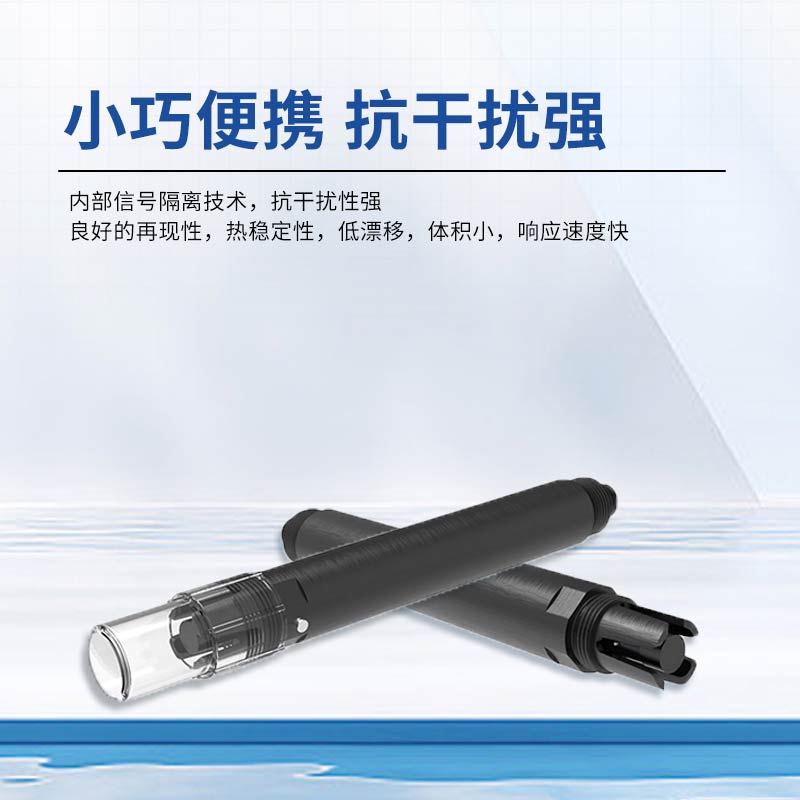
Residual chlorine, pH value and temperature are important indicators for measuring water quality. The residual chlorine content reflects the disinfection effect of water body. If it is too low, it cannot effectively kill bacteria, and if it is too high, it may be harmful to human health. The pH value reflects the acidity and alkalinity of water body, which has an impact on aquatic organisms and industrial production. Temperature changes will affect the dissolved oxygen in water and the chemical reaction rate. The traditional measurement method needs to use different instruments respectively, which is cumbersome to operate and difficult to integrate data. However, the water quality sensor can accurately measure these three key parameters at the same time, bringing convenience to water quality monitoring.
FT-S4 is designed for a variety of scenarios, such as drinking water treatment plants, canning plants, drinking water distribution networks, swimming pools, cooling circulating water systems and water treatment projects. It can be installed and used wherever continuous monitoring of residual chlorine, pH value and temperature in aqueous solutions is required.
The pH measurement range of the sensor is 0-14 (pH), the resolution is up to 0.01, and the accuracy is controlled within ±0.1pH. The residual chlorine range is 0-5.00 mg/L, and the resolution is also 0.01. The temperature measurement range is determined according to actual needs, and generally can meet the temperature monitoring of common water environments. The communication mode is RS485 (MODBUS-RTU). This communication protocol is widely used and has strong compatibility. It can be easily connected with various data acquisition systems and remote monitoring platforms. Users can obtain real-time data on residual chlorine concentration, pH value and temperature of water body. Once the indicators exceed the safe range, they can be detected in time and corresponding measures can be taken.
It uses a power supply voltage of 12-24VDC, with a power consumption of only 0.3W@12V, which is energy-saving and efficient. It has automatic temperature compensation and automatic pH compensation functions, which can reduce the interference of environmental factors on the measurement results and further improve the measurement accuracy. For example, in the water quality monitoring of swimming pools, the sensor can provide real-time feedback on whether the residual chlorine is sufficient to maintain the disinfection effect, whether the pH value is within the range suitable for the human body, and whether the water temperature meets the standards, helping swimming pool managers easily master the water quality status.
Building an Atmospheric Environment Monitoring System requires consideration from multiple aspects. First, regarding site layout, scientific planning should be carried out based on factors such as urban functional zoning, population distribution, and the location of pollution sources. Urban points f...
atmospheric pressure of air is the force exerted per unit area by the body of air above a specified area (called a column of air), which can be understood as the force exerted by air molecules on a unit area of the Earth's surface....
Duct air velocity measurement is a common operation in industrial production and environmental monitoring. Its main purpose is to monitor the flow rate of wind velocity inside a pipeline to ensure that the fluid (usually gas) inside the pipeline is within a controlled range.In industrial production,...
The beginning of spring marks the beginning of spring, and with it comes busy agricultural activities. Agriculture cannot develop without the cornerstone of soil. Soil provides the basis for the growth of all types of crops, so scientific regulation of soil moisture conditions is an important prereq...


 Skype
Skype
 whatsapp
 mail
mail