Shandong Fengtu IOT Technology Co., Ltd
Sales Manager:Ms. Emily Wang
Cel,Whatsapp,Wechat:+86 15898932201
Email:info@fengtutec.com
Add:No. 155 Optoelectronic Industry Accelerator, Gaoxin District, Weifang, Shandong, China


Sales Manager:Ms. Emily Wang
Cel,Whatsapp,Wechat:+86 15898932201
Email:info@fengtutec.com
Add:No. 155 Optoelectronic Industry Accelerator, Gaoxin District, Weifang, Shandong, China
time:2025-07-02 09:08:23 source:Weather Station viewed:616 time
Particulate matter is a key factor affecting air quality, and precise monitoring contributes to environmental protection. Particulate Monitors, especially those with PM2.5/PM10/TSP three-channel output functions, are becoming common tools in the field of environmental monitoring.
Such monitoring equipment adopts the principle of laser scattering, which accurately measures the concentration of particulate matter with different particle sizes in the air by emitting laser beams and detecting the intensity of scattered light from particulate matter. The three channels of PM2.5, PM10, and TSP can operate simultaneously and independently. The PM2.5 channel captures fine particulate matter with a particle size ≤2.5 microns, which can penetrate deep into the human lungs and harm health; the PM10 channel monitors inhalable particulate matter with a particle size ≤10 microns; the TSP channel covers all solid and liquid total suspended particulate matter in the air. The simultaneous output of the three channels can synchronously obtain comprehensive and detailed particulate matter data, providing rich basis for environmental analysis.
Each channel focuses on measurement within a specific particle size range to avoid mutual interference of particulate matter with different particle sizes, controlling the measurement error within an extremely small range and significantly improving monitoring accuracy. The equipment can continuously monitor in real time, outputting the latest concentration data every few minutes to promptly reflect the dynamic changes in air quality.
Construction sites use it to real-time monitor construction dust. Once the concentration of PM10, PM2.5, or TSP exceeds the standard, an alarm is immediately triggered, and the construction party can timely take dust reduction measures such as increasing sprinkling and enabling fog cannons to reduce the impact on the surrounding environment. Municipal departments evaluate the effectiveness of dust suppression measures such as road cleaning and sprinkling by monitoring the concentration of PM10 and TSP in urban road dust, so as to optimize the sanitation operation plan. In industrial plants such as steel, cement, and chemical industries, the equipment can monitor particulate matter emissions during the production process, helping enterprises reduce energy consumption and emissions, and providing reliable data for environmental protection departments' supervision.
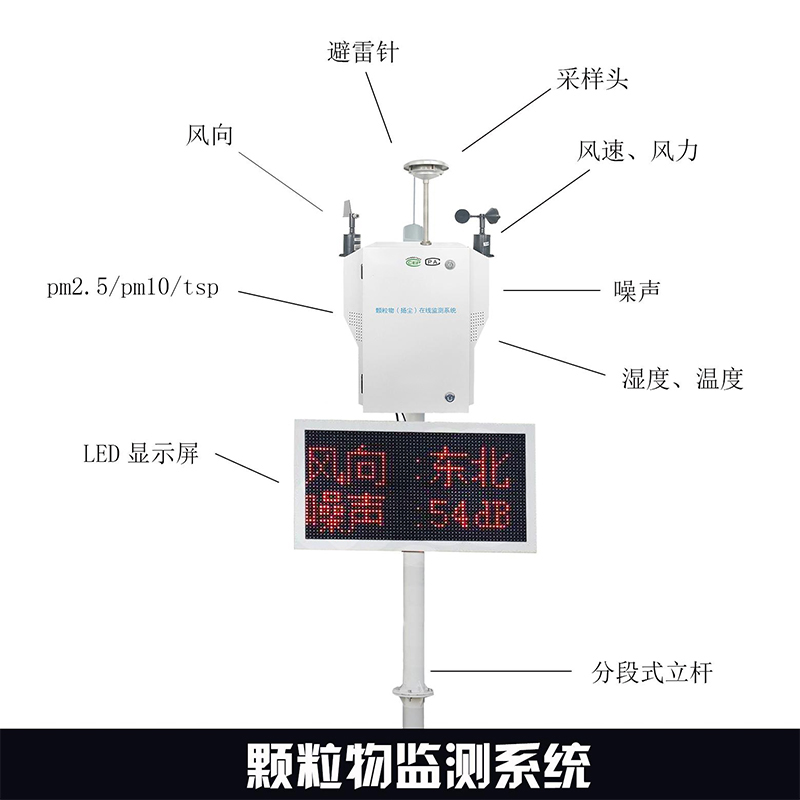
The quality of air directly affects people's lives and health. People can detect changes in air quality through their senses and take appropriate measures accordingly. Clean air helps to improve people's health and quality of life. Therefore, we should pay attention to the air quality proble...
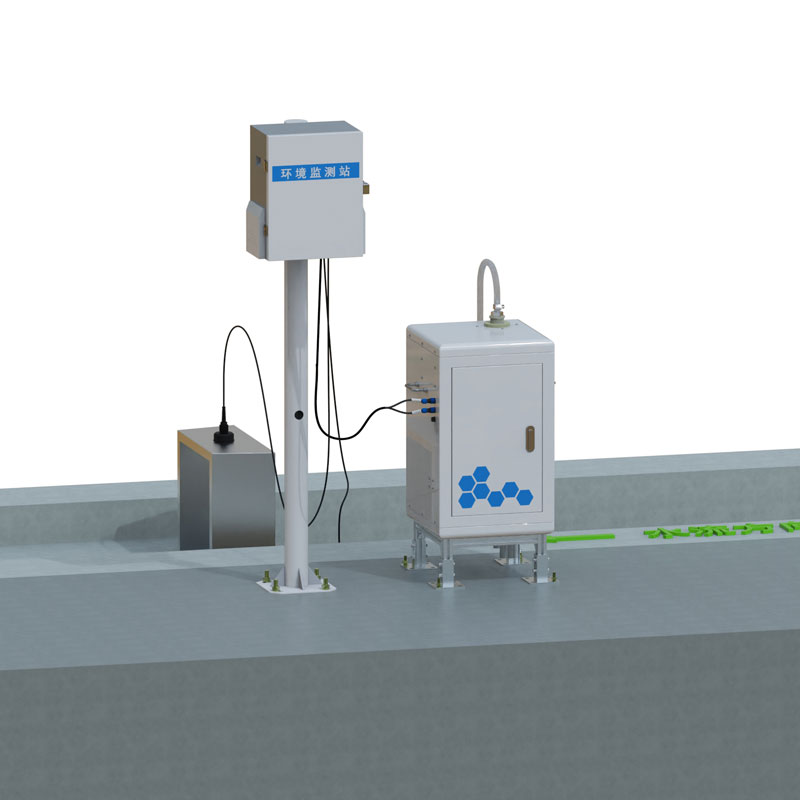
The Air Quality Monitoring Station is a miniaturized, intelligent, and grid-based air quality monitoring device. It integrates multiple sensors, enabling real-time and accurate monitoring of various key indicators in the air. With the help of IoT technology, the collected data is quickly transmitted...
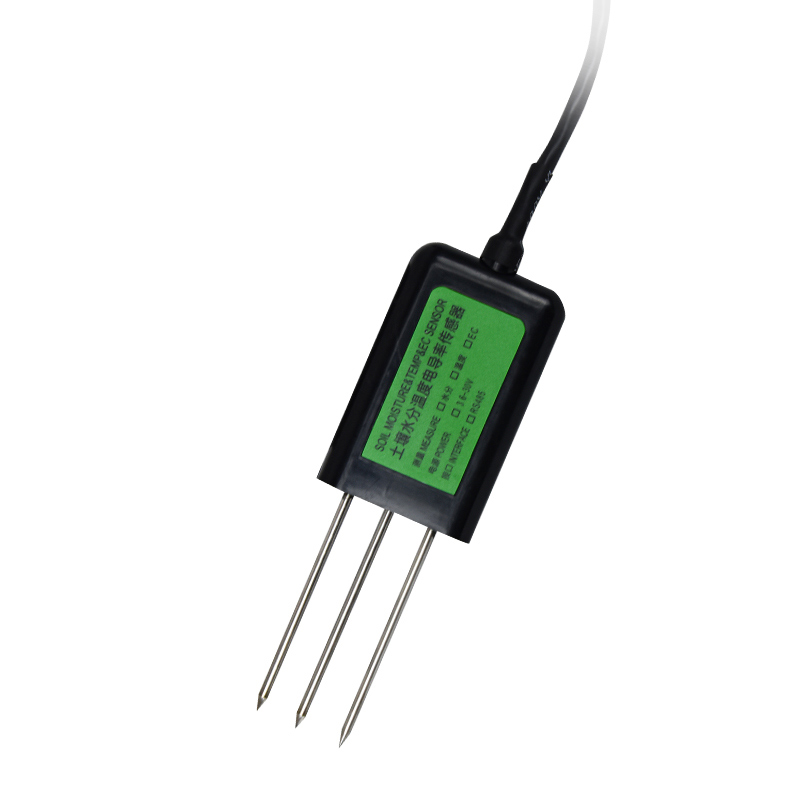
Moisture monitoring system is a set of intelligent agricultural monitoring system based on Internet of Things (IoT), which realizes the real-time monitoring of soil moisture content and its changes through the components of sensors, communication network and cloud platform.The specific workflow is a...
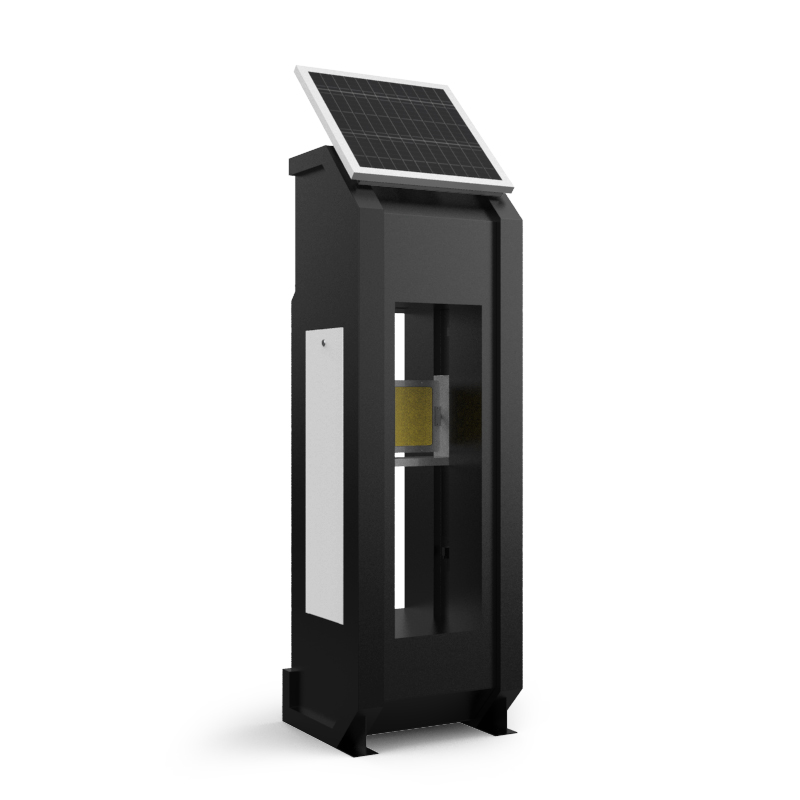
Agricultural sensors are a very critical technology in smart agriculture. This technology was patented and researched from 1917 until 2006, when 47 related patents were filed globally.After 2006, with the rapid development of information agriculture, there was a significant advancement in agricultur...


 Skype
Skype
 whatsapp
 mail
mail