Shandong Fengtu IOT Technology Co., Ltd
Sales Manager:Ms. Emily Wang
Cel,Whatsapp,Wechat:+86 15898932201
Email:info@fengtutec.com
Add:No. 155 Optoelectronic Industry Accelerator, Gaoxin District, Weifang, Shandong, China


Sales Manager:Ms. Emily Wang
Cel,Whatsapp,Wechat:+86 15898932201
Email:info@fengtutec.com
Add:No. 155 Optoelectronic Industry Accelerator, Gaoxin District, Weifang, Shandong, China
time:2025-05-13 09:20:32 source:Weather Station viewed:563 time
In modern society, water quality monitoring plays a vital role in ensuring the safety of domestic water supply and maintaining the stability of the ecological environment. So, how exactly is water quality monitored?
Water quality monitoring requires the determination of multiple key indicators. For example, a thermometer and a pH meter are used to measure the water temperature and pH value, because the water temperature and pH value can affect the content of substances in water and chemical reactions. A dissolved oxygen meter is used to measure the dissolved oxygen content, and its value reflects the freshness of water, which is affected by factors such as ambient temperature and light. The turbidity and color of water are determined. High turbidity and color may indicate poor water quality. Additionally, the contents of nutrients such as ammonia nitrogen and total phosphorus are detected. Excessive nutrients can lead to problems such as excessive algae growth. Moreover, the contents of pollutants such as organic matter, heavy metals, and bacteria in water are measured, which are directly related to human health and environmental quality.
There is a wide variety of instruments used for water quality monitoring. Portable water quality analyzers have the advantages of being small, portable, and easy to operate. They are suitable for field and on-site monitoring and can quickly determine multiple water quality indicators, such as pH value, dissolved oxygen, turbidity, etc. Laboratory water quality monitoring instruments have high precision and powerful functions. Instruments like atomic absorption spectrophotometers, gas chromatographs, and liquid chromatographs can conduct in-depth analysis of water quality and determine the content of trace and ultratrace substances. However, they are generally large in size and expensive, and need to be used in professional laboratory environments. Online water quality monitoring instruments can monitor water quality in real-time and continuously. They are commonly used in places such as water plants, sewage treatment plants, and industrial parks. They can promptly detect changes in water quality and issue alarms. Commonly monitored parameters include pH, electrical conductivity, turbidity, flow rate, etc.
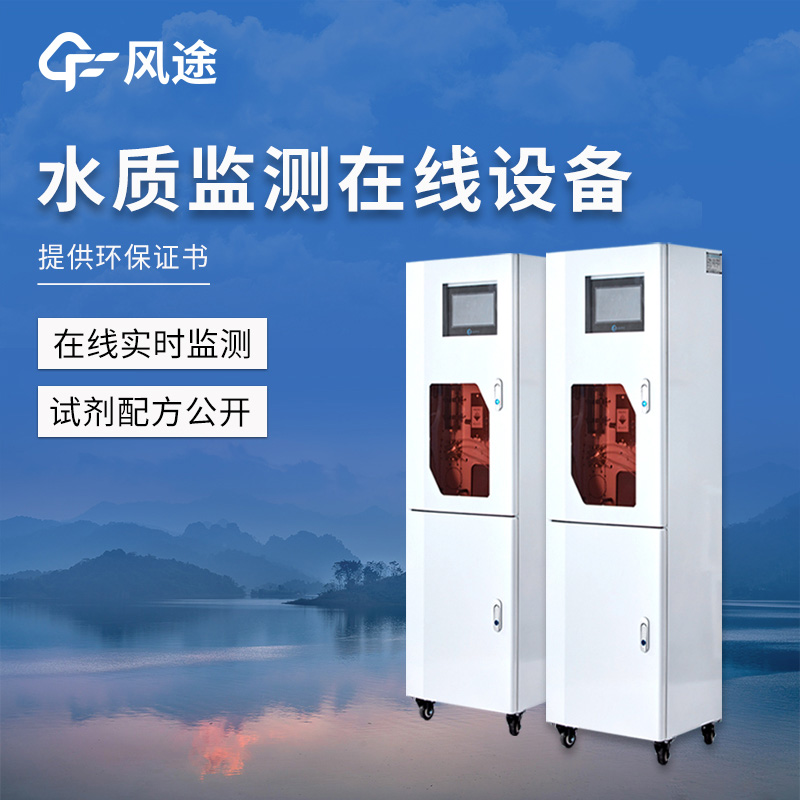
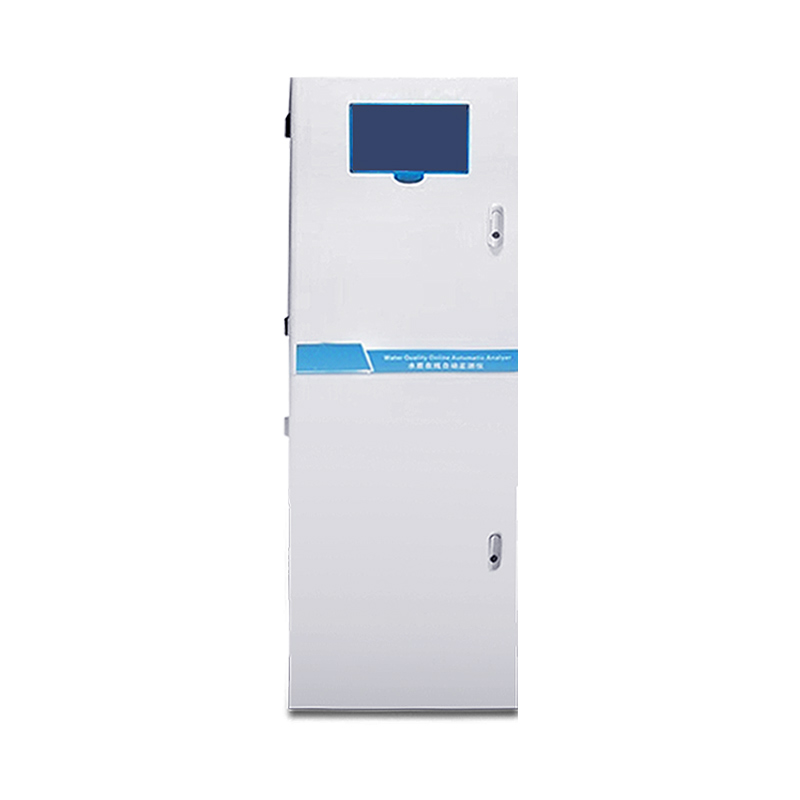
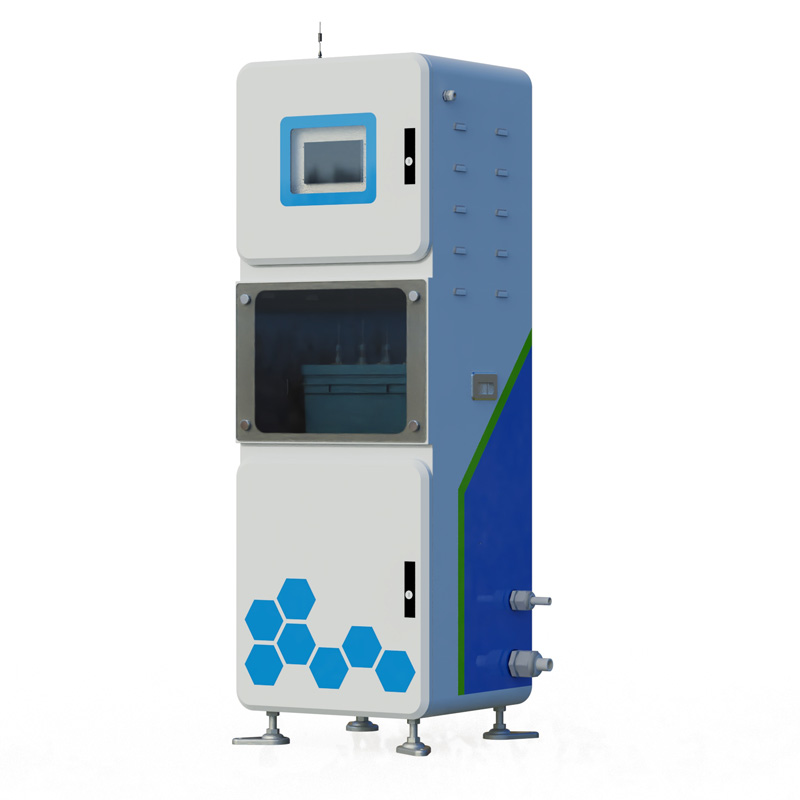
The Smart Water Quality Monitor is an integrated and automated water quality monitoring device, and the FT-QSZ04 Smart Water Quality Monitor is a representative of such devices. It integrates multiple monitoring instruments and systems into a cabinet structure. It usually includes water quality sensors, data collection and processing units, automatic control devices, data transmission modules, etc. It can simultaneously monitor multiple water quality parameters, such as pH value, dissolved oxygen, turbidity, residual chlorine, temperature, etc., with high monitoring precision and good data stability. The device has a high degree of automation and can automatically sample, analyze, and process data according to preset procedures, reducing the workload and errors of manual operation. It has the function of remote data transmission and can transmit the monitoring data to the monitoring center or management platform in real-time, making it convenient for relevant personnel to conduct remote monitoring and management. It can quickly respond to changes and abnormal situations in water quality. Moreover, the device has a compact structure and occupies a small area, making it suitable for installation and use in places with limited space, such as small water plants, sewage treatment plants, and river monitoring points.
anemometer miniaturization is a compact wind speed and direction sensor that uses the ultrasonic principle to monitor wind conditions and thus enables miniaturization....
Dissolved oxygen refers to molecular oxygen dissolved in water, usually denoted as DO, with the unit of mg/L. It is essential for the survival of aquatic organisms. If the concentration drops below 4 mg/L, fish may suffocate to death. When it is lower than 2 mg/L, the water body enters an anaerobic...
Rainfall monitoring station is an important meteorological monitoring means, which plays an increasing role in agricultural production and flood control and drought prevention. Nowadays, as economic development and people's living standards improve, the quality of precipitation monitoring data i...
What does a rain gauge do is a meteorological instrument that measures the amount of precipitation per unit area at a given time and is able to record the change in rainfall over time, usually expressed in millimeters....


 Skype
Skype
 whatsapp
 mail
mail