Shandong Fengtu IOT Technology Co., Ltd
Sales Manager:Ms. Emily Wang
Cel,Whatsapp,Wechat:+86 15898932201
Email:info@fengtutec.com
Add:No. 155 Optoelectronic Industry Accelerator, Gaoxin District, Weifang, Shandong, China


Sales Manager:Ms. Emily Wang
Cel,Whatsapp,Wechat:+86 15898932201
Email:info@fengtutec.com
Add:No. 155 Optoelectronic Industry Accelerator, Gaoxin District, Weifang, Shandong, China
time:2025-12-03 09:12:28 source:Weather Station viewed:788 time
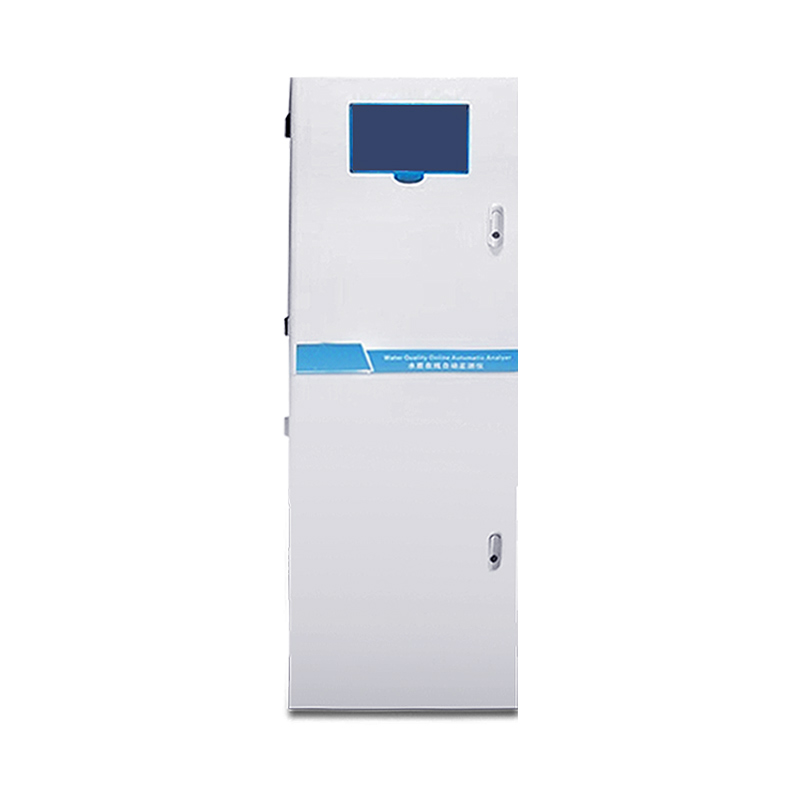
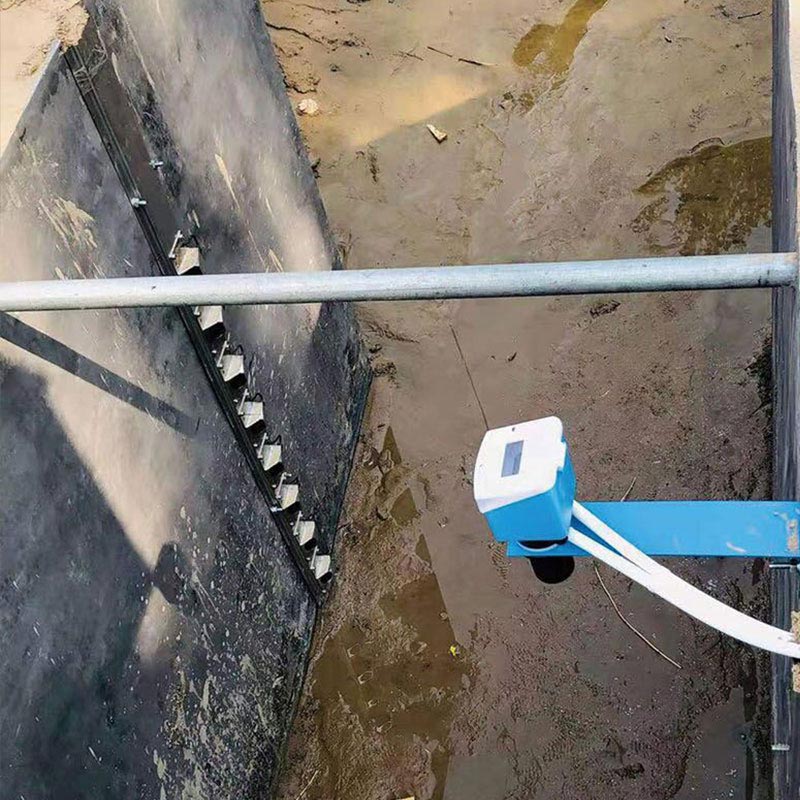
Hydrological telemetry terminal is a dedicated RTU device for water management, integrating data acquisition, edge computing, and multi-protocol communication. It connects various sensors to automatically collect, process, store, and remotely transmit hydrological data such as water level, flow rate, and rainfall. It is widely used in hydrological monitoring, flood warning, and water resource management.
Hydrological telemetry terminal is the core data hub of modern hydrological monitoring and water resource management systems. This device, often referred to as a hydrological RTU, primarily performs automated collection, preliminary calculation, local storage, and reliable transmission of on-site hydrological data. By integrating multiple standard interfaces, it can connect to various monitoring devices such as water level gauges, flow meters, rain gauges, and water quality sensors, enabling 24/7 monitoring of rivers, lakes, reservoirs, groundwater, and water conservancy facilities.
The terminal uses a high-performance, low-power microcontroller as its core hardware platform. The hardware system typically includes multiple analog, digital, and RS-485 standard sensor interfaces, compatible with most mainstream sensor types on the market. The device also integrates multiple communication modules, supporting various communication methods such as 4G/NB-IoT, Beidou satellite, and fiber optic Ethernet, ensuring reliable data transmission in different geographical environments and network conditions. Its power management unit supports solar power and battery backup, meeting the long-term operation requirements of unattended field stations.
In terms of software functionality, Hydrological telemetry terminal possesses powerful edge computing and autonomous management capabilities. The device can preprocess collected raw data through filtering, calculations (such as cumulative flow), and threshold checks. It supports automatic alarm triggering based on preset thresholds and can actively report data to provincial or national water resource monitoring platforms according to a set cycle or event-triggered mode. The device has a large-capacity memory for long-term data caching during communication interruptions, ensuring data integrity. Through a remote management platform, technicians can configure parameters, upgrade programs, and diagnose the operating status of the terminal, significantly reducing on-site maintenance costs.
In practical applications, the value of Hydrological telemetry terminal lies in its adaptability and stability. In flood warning scenarios, it can report water level and rainfall information from key stations in real-time, providing valuable time for flood forecasting and dispatching decisions. In water resource management, it is used to monitor water consumption and river ecological flow, providing a basis for scientific scheduling. Its design takes into account harsh outdoor environments, possessing characteristics such as wide operating temperature range, lightning protection, and moisture resistance, ensuring the continuous and stable operation of the monitoring network.
In summary, the Hydrological telemetry terminal device, as a key intelligent device connecting front-end sensors and the back-end monitoring center, forms a solid foundation for the smart water management sensing network with its reliable data acquisition capabilities, flexible communication methods, and powerful edge processing functions. It is an indispensable technical equipment for improving the modernization level of hydrological monitoring.

The 10km visibility sensor is a high-performance device that accurately measures visibility and plays a key role in a variety of applications. In this article, we will describe the working principle of the 10km visibility sensor, its advantages and its importance in areas such as meteorological obse...
After the Beginning of Winter, adverse weather conditions gradually increase, posing great challenges to the safety and smoothness of road traffic operations. Thick fog reduces visibility drastically; continuous rain and snow make the road surface extremely slippery; the arrival of low temperatures...
Nowadays, most city dwellers are not only concerned about daily weather changes, but also begin to pay attention to air quality. With the country's continued focus on environmental issues, environmental governance has become a priority for national and local governments. Large air quality monito...
The BeiDou GNSS surface displacement monitoring station employs differential RTK technology, achieving a horizontal accuracy of ±2.5mm + 1ppm and a vertical accuracy of ±5mm + 1ppm. It supports offline calculation and is widely used in safety monitoring of projects such as dams, bridges, and...


 Skype
Skype
 whatsapp
 mail
mail