Shandong Fengtu IOT Technology Co., Ltd
Sales Manager:Ms. Emily Wang
Cel,Whatsapp,Wechat:+86 15898932201
Email:info@fengtutec.com
Add:No. 155 Optoelectronic Industry Accelerator, Gaoxin District, Weifang, Shandong, China


Sales Manager:Ms. Emily Wang
Cel,Whatsapp,Wechat:+86 15898932201
Email:info@fengtutec.com
Add:No. 155 Optoelectronic Industry Accelerator, Gaoxin District, Weifang, Shandong, China
time:2025-12-22 09:57:55 source:Weather Station viewed:562 time
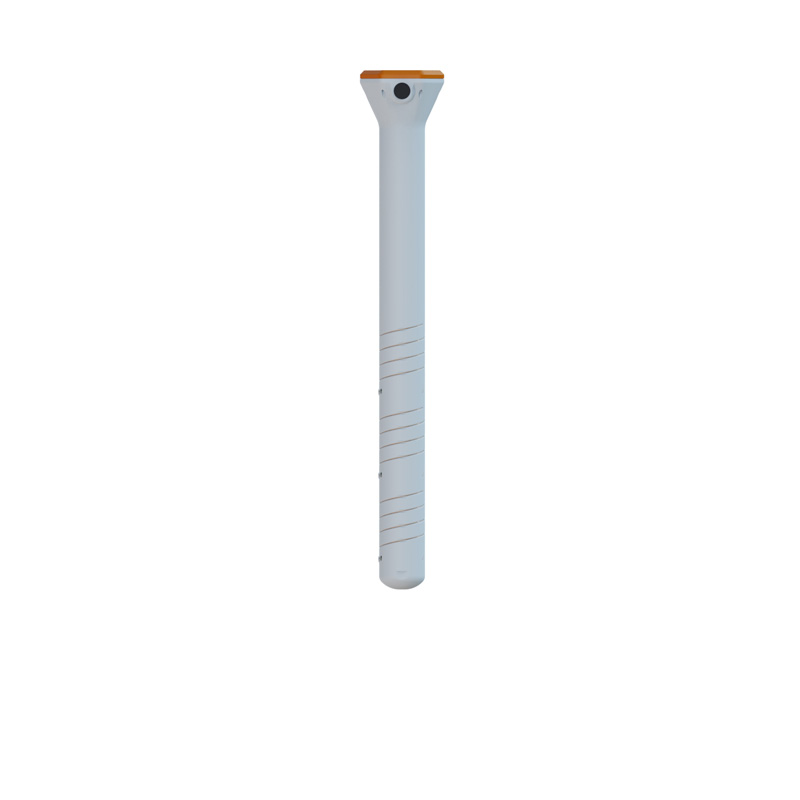
Wave measuring instrument for wave-making pool is a specialized device for accurately measuring free-flow wave parameters and water level height. It is suitable for long-term reliable monitoring in marine, port, reservoir, and lake environments, providing crucial data support for hydrological research, engineering testing, and safety early warning.
The core function of the Wave measuring instrument for wave-making pool is to accurately capture and record the wave motion characteristics and water level changes of water bodies. In the controlled experimental environment of a wave-generating pool, this instrument can measure key wave parameters, including wave height, wave period, wavelength, wave direction, and waveform spectrum. Through high-precision sensors, it can continuously monitor the instantaneous water level and transmit the data to the acquisition system in real time. This measurement is typically based on contact or non-contact principles. Contact measurements, such as those using wave height meters, utilize the changes in electrical parameters caused by the probe's contact with the water surface to estimate wave height; non-contact measurements may employ ultrasonic, laser, or radar technologies, calculating the distance to the water surface by the time difference between transmitting and receiving signals, thereby retrieving detailed wave characteristics.
The instrument's technical implementation relies on a stable hardware structure and specialized data processing software. The hardware component needs to possess excellent waterproof, corrosion-resistant, and interference-resistant capabilities to adapt to pool environments or potential field deployments. Sensors typically require high sampling frequencies to accurately capture the details of rapid wave undulations. The data acquisition unit is responsible for converting the sensor's analog signals into digital signals and performing preliminary processing. The software component undertakes more complex tasks, including real-time data display, storage, post-analysis, and visualization. Through methods such as spectral analysis, the software can extract meaningful wave statistical characteristics from the raw water level time series, such as significant wave height and average wave period, and generate professional analysis reports.
The value of this measuring instrument lies in providing a reliable foundation of measured data for scientific research and engineering applications in multiple fields. In marine engineering, it is an important tool for verifying theoretical models and testing the hydrodynamic performance of ships and marine structures. In port and coastal engineering, long-term wave data monitoring helps assess harbor basin stability, optimize breakwater design, and provide early warnings for disasters such as storm surges. For inland water bodies such as reservoirs and lakes, continuous water level and wave monitoring can be used to analyze shoreline evolution, assess reservoir safety, and provide a basis for water resource management. With its high precision and reliability, Wave measuring instrument for wave-making pool has become an indispensable technical equipment for hydrological observation, water conservancy projects and environmental research.
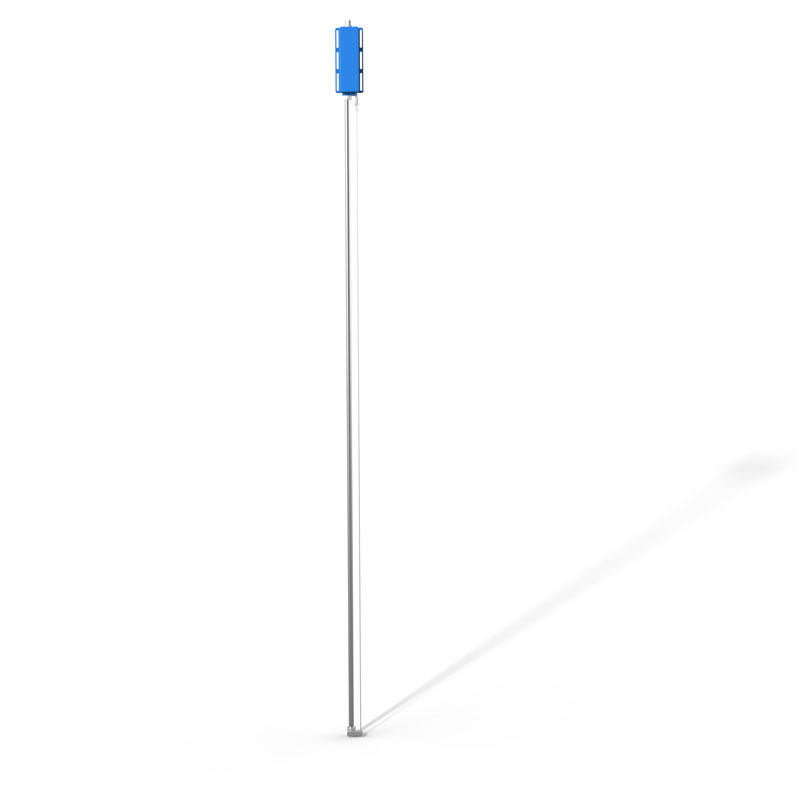
A portable visibility monitoring station is an instrument used to monitor visibility in the atmosphere. With the increasing awareness of modern traffic and safety, the importance of visibility is becoming increasingly important. By using advanced optical technology and signal processing, portable vi...
rients such as nitrogen, phosphorus and potassium. This comprehensive monitoring capability greatly enhances the prevention of and response to agro-meteorological disasters, provides strong data support for meteorological services for modern agriculture, and lays a solid foundation for promoting the...
Rainfall monitor is specially designed for flash flood and meteorological disaster early warning. It is easy to install, has low power consumption, long wireless transmission distance and low maintenance cost. It can conduct detailed minute-level monitoring of rainstorms. These stations are located...
ambient weather company is a weather station and software manufacturer based in China, specializing in providing customized weather solutions and products for homes and businesses....


 Skype
Skype
 whatsapp
 mail
mail