Shandong Fengtu IOT Technology Co., Ltd
Sales Manager:Ms. Emily Wang
Cel,Whatsapp,Wechat:+86 15898932201
Email:info@fengtutec.com
Add:No. 155 Optoelectronic Industry Accelerator, Gaoxin District, Weifang, Shandong, China


Sales Manager:Ms. Emily Wang
Cel,Whatsapp,Wechat:+86 15898932201
Email:info@fengtutec.com
Add:No. 155 Optoelectronic Industry Accelerator, Gaoxin District, Weifang, Shandong, China
time:2024-02-06 10:11:54 source:Weather Station viewed:815 time
Vehicles on motorways travel at a high speed, so the requirements for road conditions are relatively high. In bad weather, visibility is low and the road surface is slippery, which makes it easy for traffic accidents to occur. Therefore, it is very important to establish a road weather monitoring station.
This system can monitor road conditions in real time and issue timely warning messages to remind drivers to pay attention to driving safety. This can reduce the occurrence of traffic accidents and protect people's lives and property.
In the past, weather monitoring on highways mainly relied on city-level weather forecasts and patrols and video inspections of road surfaces by on-duty personnel. These methods often take corresponding control measures only after the discovery of abnormalities, with a certain lag.
However, with the continuous development of science and technology, it is now possible to achieve 24-hour real-time monitoring of local microclimate on motorways. This type of monitoring is like installing more accurate and timely perception of weather conditions on the motorway "meteorological monitoring stations". Through these monitoring stations, we can understand the weather conditions on the motorway in real time, detect and respond to abnormal weather conditions in a timely manner, so as to better protect driving safety.
The system uses a variety of sensing equipment such as miniature automatic weather stations, visibility detectors, road condition detectors, etc., and is capable of real-time monitoring of low visibility, icing, high winds, snowfall, high temperatures, heavy rainfall and other abnormal weather conditions on the road that may affect traffic. When these abnormal weather conditions occur, the system will automatically link the video equipment and push the relevant warning information to the background meteorological monitoring platform.
This enables the highway management to understand the weather conditions on the road in a more real-time and efficient manner, and to quickly formulate and issue emergency control plans to cope with inclement weather. Through this intelligent monitoring system, we can better protect the highway driving safety and reduce traffic accidents caused by bad weather. Vehicles on highways travel faster, so the requirements for road conditions are higher. In bad weather, visibility is low, the road surface is slippery, and traffic accidents can easily occur. Therefore, it is very important to establish a road weather monitoring station.
This system can monitor road conditions in real time and issue timely warning messages to remind drivers to pay attention to driving safety. This can reduce the occurrence of traffic accidents and protect people's lives and property.
In the past, weather monitoring on highways mainly relied on city-level weather forecasts and patrols and video inspections of road surfaces by on-duty personnel. These methods often take corresponding control measures only after the discovery of abnormalities, with a certain lag.
However, with the continuous development of science and technology, it is now possible to achieve 24-hour real-time monitoring of local microclimate on motorways. This type of monitoring is like installing more accurate and timely perception of weather conditions on the motorway "meteorological monitoring stations". Through these monitoring stations, we can understand the weather conditions on the motorway in real time, detect and respond to abnormal weather conditions in a timely manner, so as to better protect driving safety.
The system uses a variety of sensing equipment such as miniature automatic weather stations, visibility detectors, road condition detectors, etc., and is capable of real-time monitoring of low visibility, icing, high winds, snowfall, high temperatures, heavy rainfall and other abnormal weather conditions on the road that may affect traffic. When these abnormal weather conditions occur, the system will automatically link the video equipment and push the relevant warning information to the background meteorological monitoring platform.
This enables the highway management to understand the weather conditions on the road in a more real-time and efficient manner, and to quickly formulate and issue emergency control plans to cope with inclement weather. Through this intelligent monitoring system, we can better ensure the safety of highway traffic and reduce traffic accidents caused by bad weather.
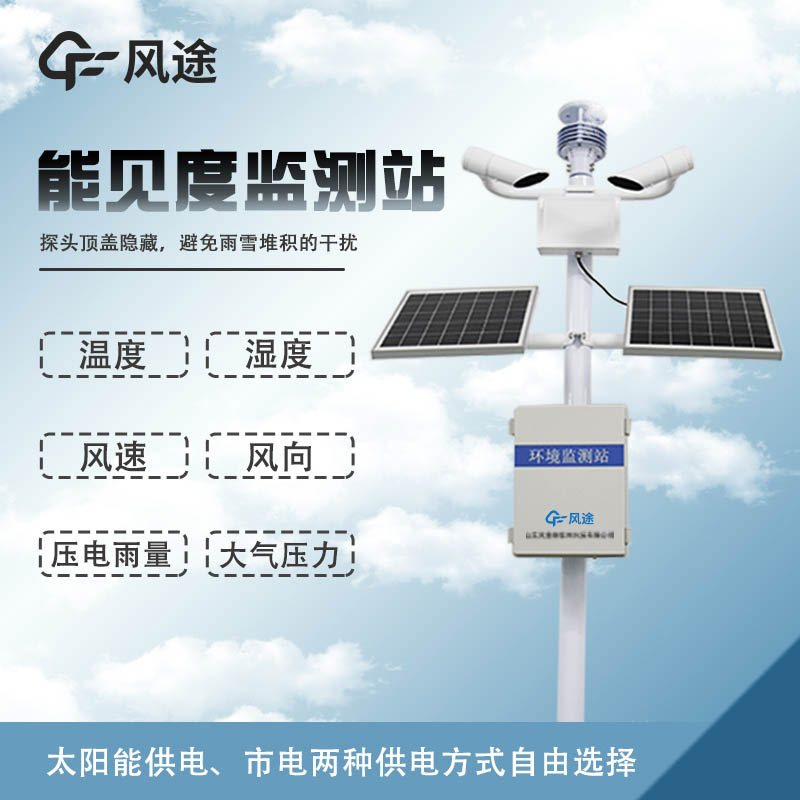
best weather stations are used to monitor wind speed, wind direction, temperature, humidity, air pressure, light, optical rainfall, pm2.5, pm10, noise, and other meteorological elements....
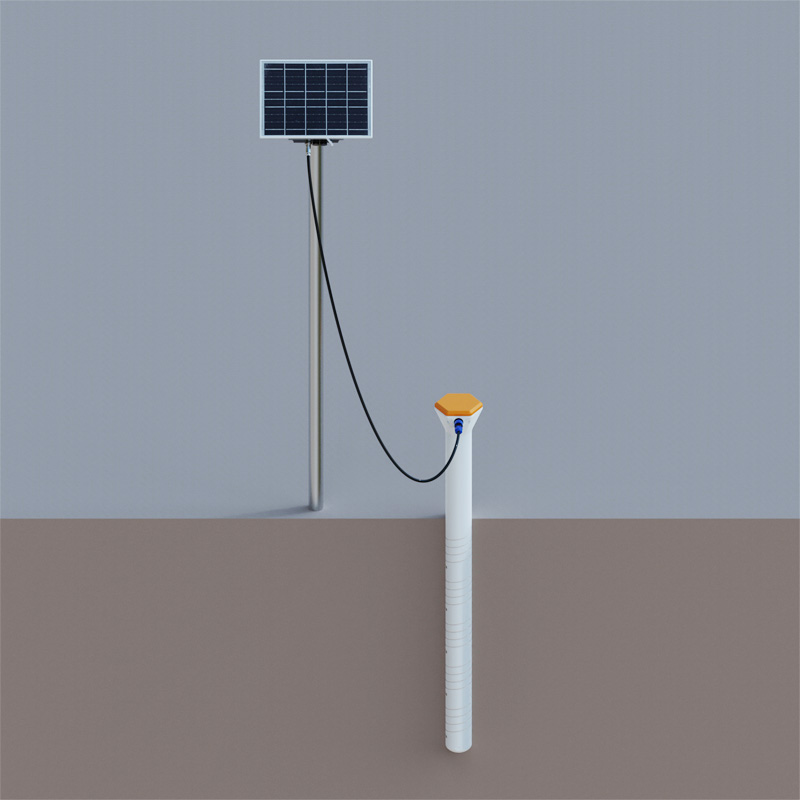
The Moisture Monitoring System is a highly integrated system specifically designed for unattended monitoring of soil environmental conditions. This type of system has important applications in several fields, including agriculture, industry, tourism, and urban environmental monitoring.The structure...
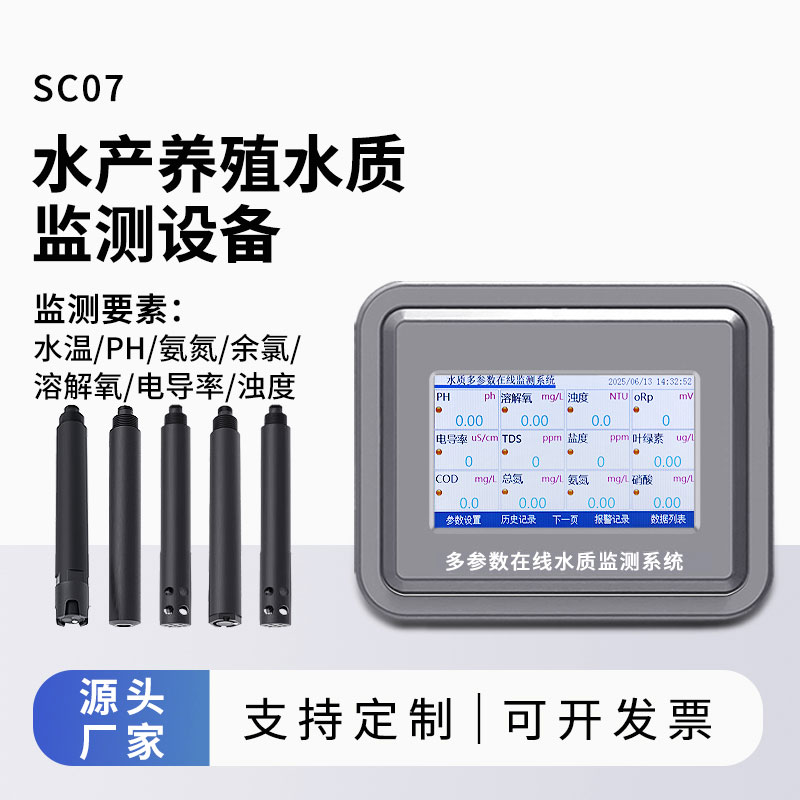
Oxidation-Reduction Potential, namely ORP, reflects the difference in the oxidation-reduction potential between the indicating electrode and the reference electrode in a liquid, and it can provide a comprehensive assessment of the oxidation-reduction state of the entire system. In a wastewater treat...
A rainfall monitor is an instrument that can measure the amount of rainfall. As climate change becomes more and more serious, meteorological monitoring has become a very important task. As one of the meteorological monitoring equipment, rainfall monitor can provide important reference information fo...


 Skype
Skype
 whatsapp
 mail
mail