Shandong Fengtu IOT Technology Co., Ltd
Sales Manager:Ms. Emily Wang
Cel,Whatsapp,Wechat:+86 15898932201
Email:info@fengtutec.com
Add:No. 155 Optoelectronic Industry Accelerator, Gaoxin District, Weifang, Shandong, China


Sales Manager:Ms. Emily Wang
Cel,Whatsapp,Wechat:+86 15898932201
Email:info@fengtutec.com
Add:No. 155 Optoelectronic Industry Accelerator, Gaoxin District, Weifang, Shandong, China
time:2025-02-24 09:49:09 source:Weather Station viewed:586 time
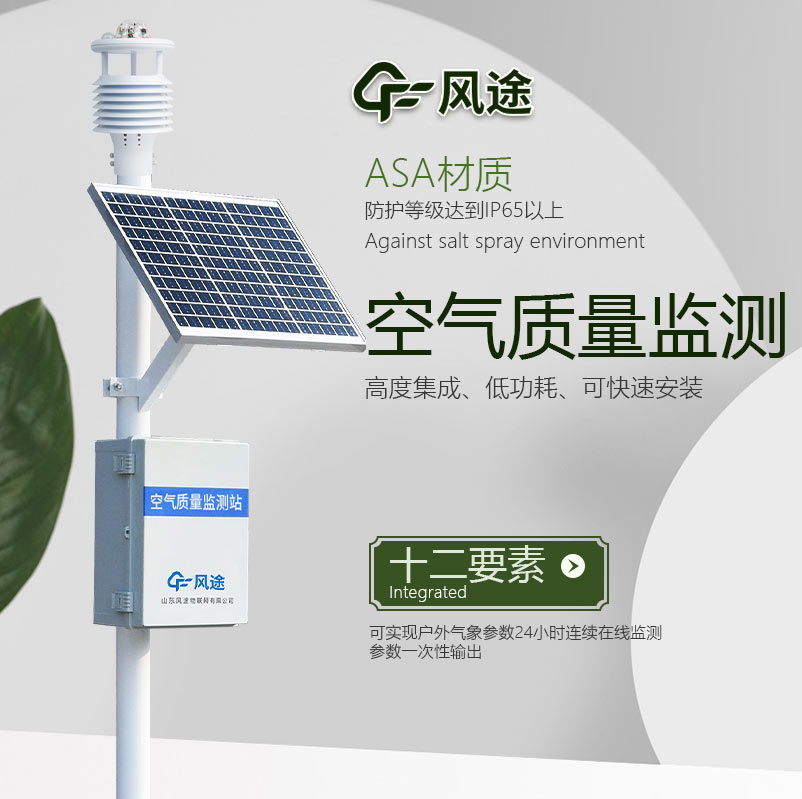
An air quality monitoring station is a device system based on the concept of grid - based layout, which conducts all - round and refined monitoring of air quality in a specific area. It divides the monitoring area into multiple grids and sets up monitoring stations at key positions in each grid to achieve real - time and dynamic monitoring of the air quality in the entire area.
It mainly consists of a sampling system, analytical instruments, and a data transmission and processing system. The sampling system is responsible for collecting samples from the atmosphere and then transmitting them to the analytical instruments. These instruments can accurately analyze various pollutants such as sulfur dioxide, nitrogen dioxide, particulate matter (PM2.5, PM10), carbon monoxide, and ozone. The data transmission and processing system then transmits the analyzed data in real - time to the monitoring center. After processing, intuitive charts and reports are generated, facilitating relevant departments to understand the air quality situation.
It can provide accurate data support for environmental management departments and assist in formulating scientific pollution prevention and control strategies. For example, when it is found that the PM2.5 concentration in a certain grid continuously exceeds the standard, relevant departments can strengthen measures such as dust control and motor vehicle exhaust treatment in that area. By publicly disclosing the monitoring data in real - time, it can enhance the public's attention to air quality and environmental protection awareness, and promote the whole - people's participation in environmental protection.
Hydrological station, is an important part of the water measurement and reporting. It plays an irreplaceable role in hydrological forecasting, and it provides the basis for policy formulation. It can both timely and accurate reflection of river water level changes, but also for the analysis of hydro...
The FT - GSZ04 Water Supply Quality Station is a Water Quality Monitoring Station Secondary Water that integrates Internet of Things technology, combining functions such as sensor data collection, data display, and analysis. The system consists of multiple units including steady - flow exhaust, anal...
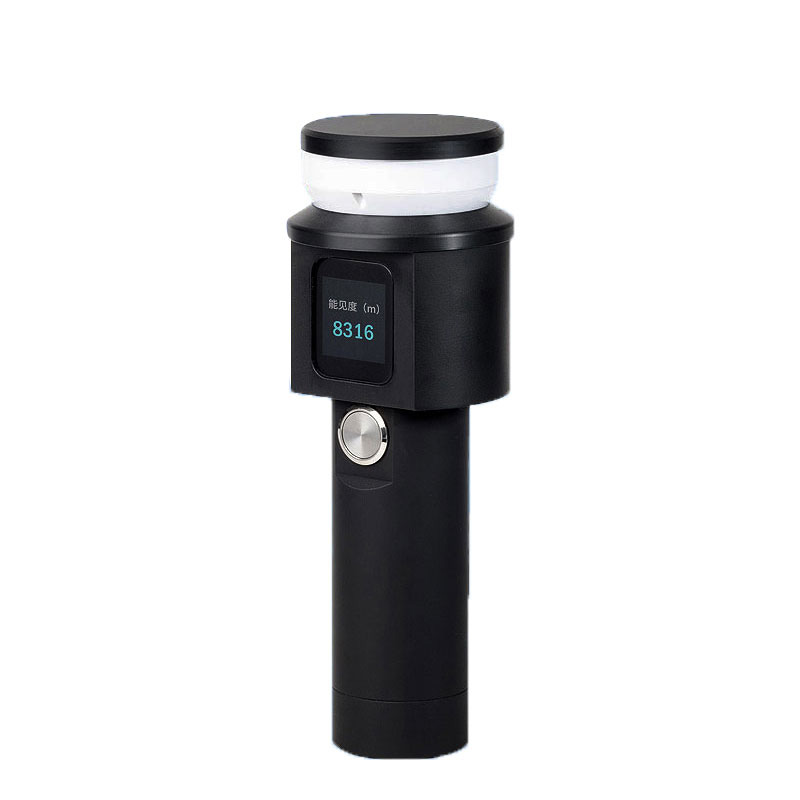
The Portable Visibility Detector is a portable device for measuring visibility in the atmosphere. Its main applications are in transport, energy, chemical and aviation fields and it has a wide range of practical value. The following section describes the solution for the portable visibility detector...
The ultrasonic wind speed and direction sensor is a highly accurate, fully digital detection device with the following features:Integrated design: wind speed and wind direction detection in one unit, providing accurate wind speed and wind direction data.Signal processing: Built-in signal processing...


 Skype
Skype
 whatsapp
 mail
mail