Shandong Fengtu IOT Technology Co., Ltd
Sales Manager:Ms. Emily Wang
Cel,Whatsapp,Wechat:+86 15898932201
Email:info@fengtutec.com
Add:No. 155 Optoelectronic Industry Accelerator, Gaoxin District, Weifang, Shandong, China


Sales Manager:Ms. Emily Wang
Cel,Whatsapp,Wechat:+86 15898932201
Email:info@fengtutec.com
Add:No. 155 Optoelectronic Industry Accelerator, Gaoxin District, Weifang, Shandong, China
time:2024-12-25 14:05:14 source:Weather Station viewed:663 time
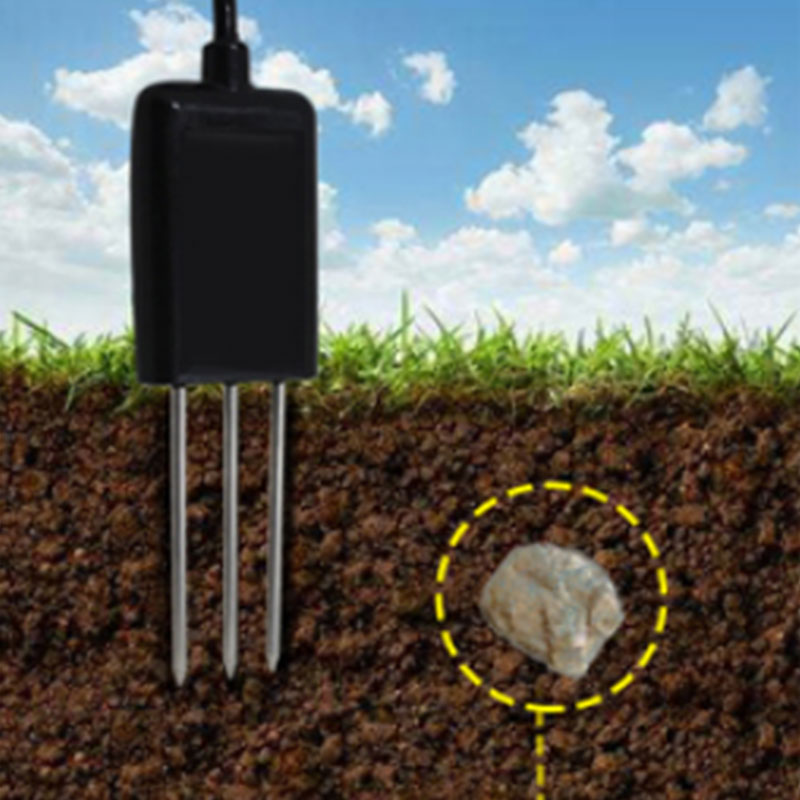
1.Soil nutrient sensor product overview
soil nutrient sensor is used to measure and detect the content of nitrogen (N), phosphorus (P), potassium (K) in soil. It is a device that measures the concentration of nutrients in soil.The soil nutrient sensor is suitable for detecting the content of nitrogen, phosphorus and potassium in the soil.By detecting the content of nitrogen, phosphorus and potassium in the soil, the fertility of the soil can be judged, thereby facilitating the systematic assessment of soil conditions.It can be buried in the soil for a long time, is resistant to long-term electrolysis, corrosion resistance, vacuum potting, and is completely waterproof.
The sensor is widely used in soil nitrogen, phosphorus and potassium detection, precision agriculture, forestry, soil research, geological exploration, plant cultivation and other fields.
2.Functional characteristics of soil nutrient sensor
1.Low threshold, few steps, fast measurement, no reagents required, and no limit on the number of tests.
2.High measurement accuracy, fast response speed and good interchangeability.
3.The electrodes are made of specially treated alloy materials, which can withstand strong external impacts and are not easily damaged.
4.Completely sealed, resistant to acid and alkali corrosion, and can be buried in the soil for long-term dynamic testing.
5.The probe insertion design ensures accurate measurement and reliable performance.
3.Technical parameters of soil nutrient sensor
| DC power supply (default) | DC 5-30V | |
| Maximum power consumption | ≤0.15W (@12V DC, 25℃) | |
| working temperature | 0℃~55℃ | |
| Nitrogen, phosphorus and potassium parameters | Measuring range | 1-1999 mg/kg(mg/L) |
| resolution | 1 mg/kg(mg/L) | |
| response time | <1S | |
| Protection level | IP68 | |
| Probe material | Stainless steel | |
| Sealing material | Black flame retardant epoxy resin | |
| Default cable length | 2 meters, cable length can be customized as required | |
| Overall dimensions | 45*15*123mm | |
| Output signal | RS485(Modbus protocol) | |
An automatic soil moisture monitoring station generally consists of the following components:Soil moisture sensor: It is the core component of the monitoring station and is used to detect soil moisture content and temperature. The sensors are usually installed at different depths of the soil layer i...
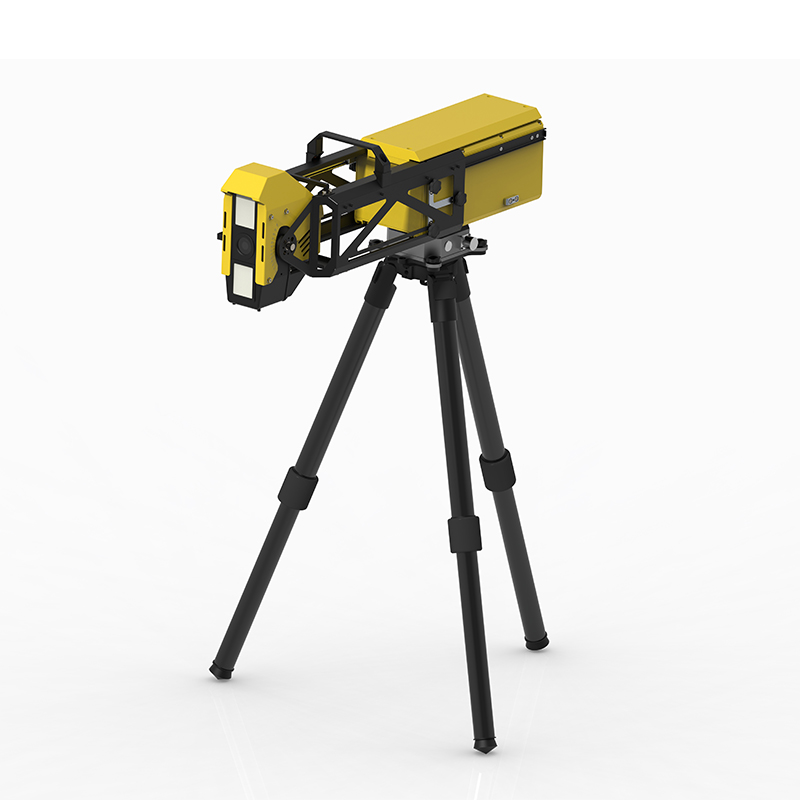
A portable visibility monitoring station is an instrument used to monitor visibility in the atmosphere. With the increasing awareness of modern traffic and safety, the importance of visibility is becoming increasingly important. By using advanced optical technology and signal processing, portable vi...
A small landslide can destroy a lifelong struggle of human beings in the midst of war. Even though the force of nature is very strong, the human mind can be extended infinitely. We can use technology to sense changes in the environment, so that hidden dangers can be discovered early, decisions can b...
Soil moisture is an important parameter in agricultural production, which has an important impact on crop growth and yield. Therefore, understanding and mastering the changing law of soil moisture is of great significance in guiding agricultural production.There are various methods for soil moisture...


 Skype
Skype
 whatsapp
 mail
mail